If you search “where is hot in February”, first decide how hot you actually mean.
For one traveller, 22°C and sunshine is ideal for sightseeing and lunch outside. For another, anything below 28°C feels like a poor escape from the British winter.
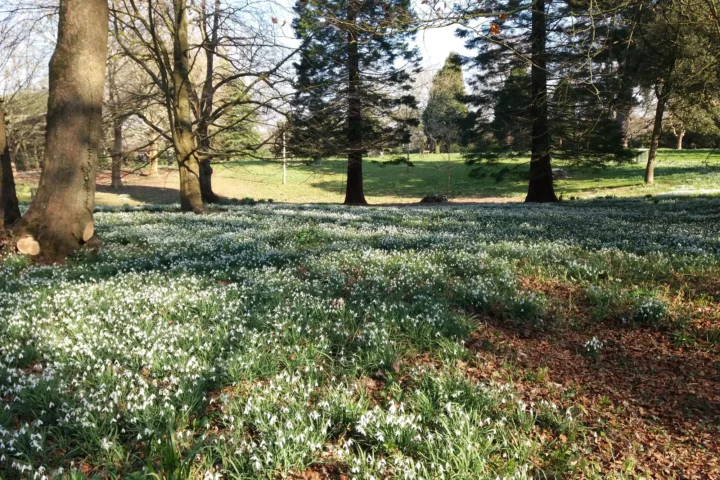
Featured photograph by Belinda Fewings on Unsplash · View original and licence
The quick answer
For genuine heat, look at The Gambia or Barbados. For mid-20s warmth, Cape Verde and Dubai are stronger options. Tenerife South, Hurghada and Marrakech are better described as pleasantly warm than reliably hot.
These are long-term climate averages, not forecasts.
| Destination | Typical February daytime high | Best for |
|---|---|---|
| Tenerife South | ~22°C | Easy winter break; beach + sightseeing |
| Marrakech | ~21°C | Culture and outdoor exploring |
| Hurghada | ~23°C | Dry Red Sea resort break |
| Cape Verde (Sal) | ~25°C | Low-rain beach escape |
| Dubai | ~26°C | City + beach |
| The Gambia (Banjul) | ~34°C | Travellers who genuinely want heat |
| Barbados | Around 30°C annual daytime high; dry season in northern winter/spring | Tropical Caribbean holiday |
Warm or actually hot?
If your picture of winter sun is shorts, walking and coffee outside, the Canaries, Marrakech or Hurghada can work well.
If you mean shade-seeking beach heat, go farther south.
That distinction is more useful than a long destination list.
Tenerife South — easiest all-round choice
Spain’s AEMET climate normals for Tenerife South Airport give February an average high of 22.0°C, mean temperature 18.5°C and around 20mm of rain.
That is pleasant, not tropical.
Tenerife still works well because a mediocre weather morning does not ruin the trip: volcanic landscapes, towns, restaurants and sightseeing give you alternatives.
Choose it if: you want an uncomplicated escape and are satisfied with warmth rather than guaranteed heat.
Marrakech — warm days, cool nights
Marrakech Airport climate data gives February an average high of about 21°C and low around 8°C.
So this is a sightseeing trip with sunshine potential, not a pure beach holiday. Pack layers for evening.
Choose it if: food, culture, souks and exploring matter more than lying beside a pool all day.
Hurghada — dry Red Sea warmth
Hurghada’s long-term February average high is roughly 23°C, with very little average precipitation.
The Red Sea can be a strong resort choice, but wind can change how 23°C feels. Compare hotel facilities, sheltered pool areas and what you would do if the beach feels cool.
Choose it if: you want a resort, snorkelling/diving and dry conditions.
Compare package and DIY costs with our package-versus-DIY guide before assuming one booking method is cheaper.
Cape Verde — reliable mid-haul beach weather
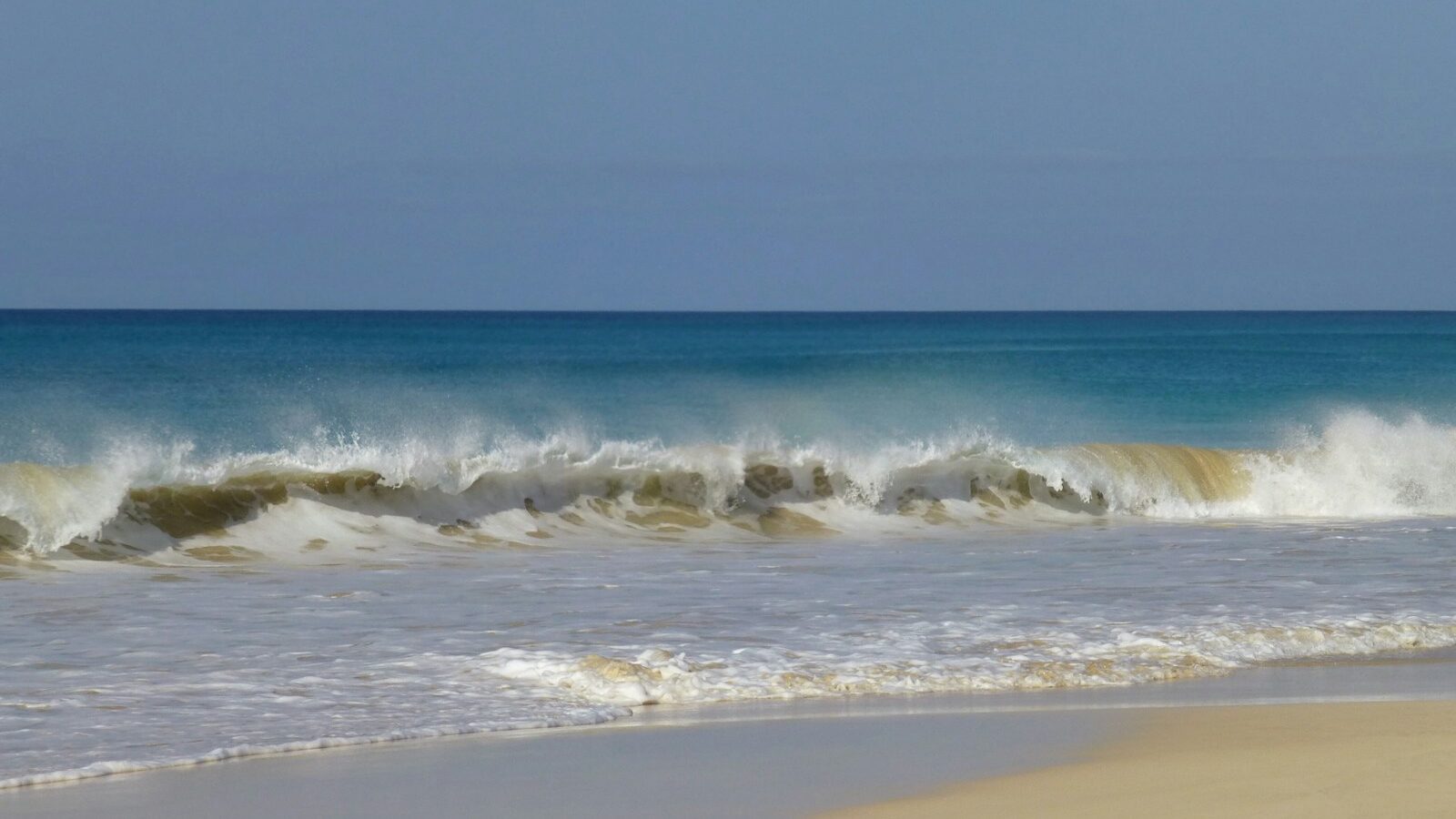
For Sal, long-term February data shows around 25°C daytime maximum, about 7 hours of sunshine daily, roughly 2mm rain in the month and sea temperature around 22°C.
That combination makes Cape Verde one of the clearest answers if you want a beach holiday without flying as far as the Caribbean.
Choose it if: low-rain warmth matters more than a packed sightseeing itinerary.
Remember: Cape Verde can be breezy; that is good for some watersports but may matter if you want completely still beach days.
Dubai — city and beach in one trip
Dubai Airport climate averages give February an average high around 26°C and low around 17°C.
That is warm enough for beach time while avoiding the extreme summer heat, and the city gives you plenty to do away from the pool.
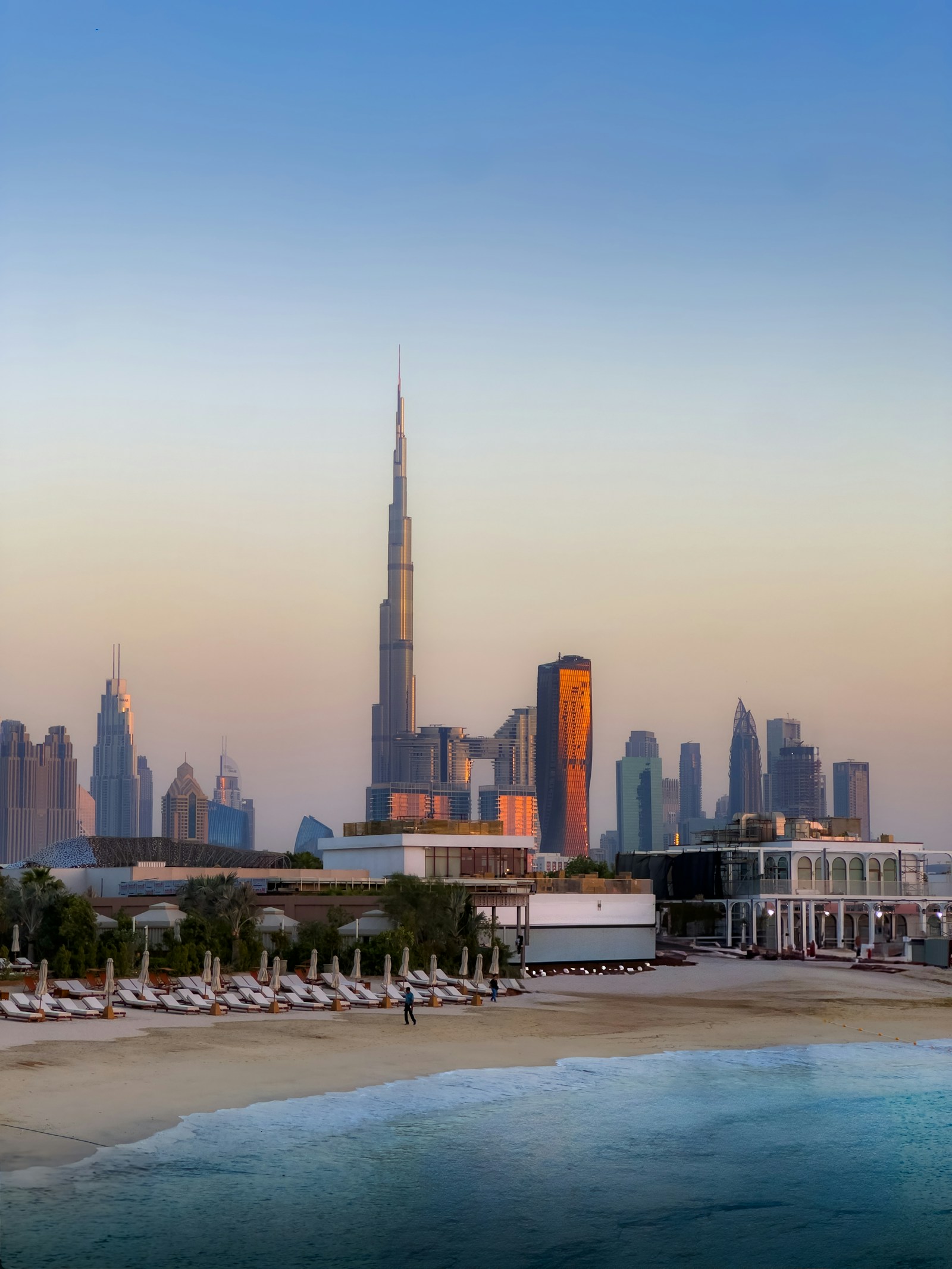
Photo by ft shafi on Unsplash · View original and licence
Choose it if: your group wants a mixture of beach, restaurants, attractions and shopping.
Trade-off: total daily cost can be higher, so compare the whole trip rather than the flight alone.
The Gambia — if 30°C really matters
Banjul’s long-term February figures are dramatically warmer: around 34°C daytime maximum, about 9 hours of sunshine daily and almost no average rainfall.
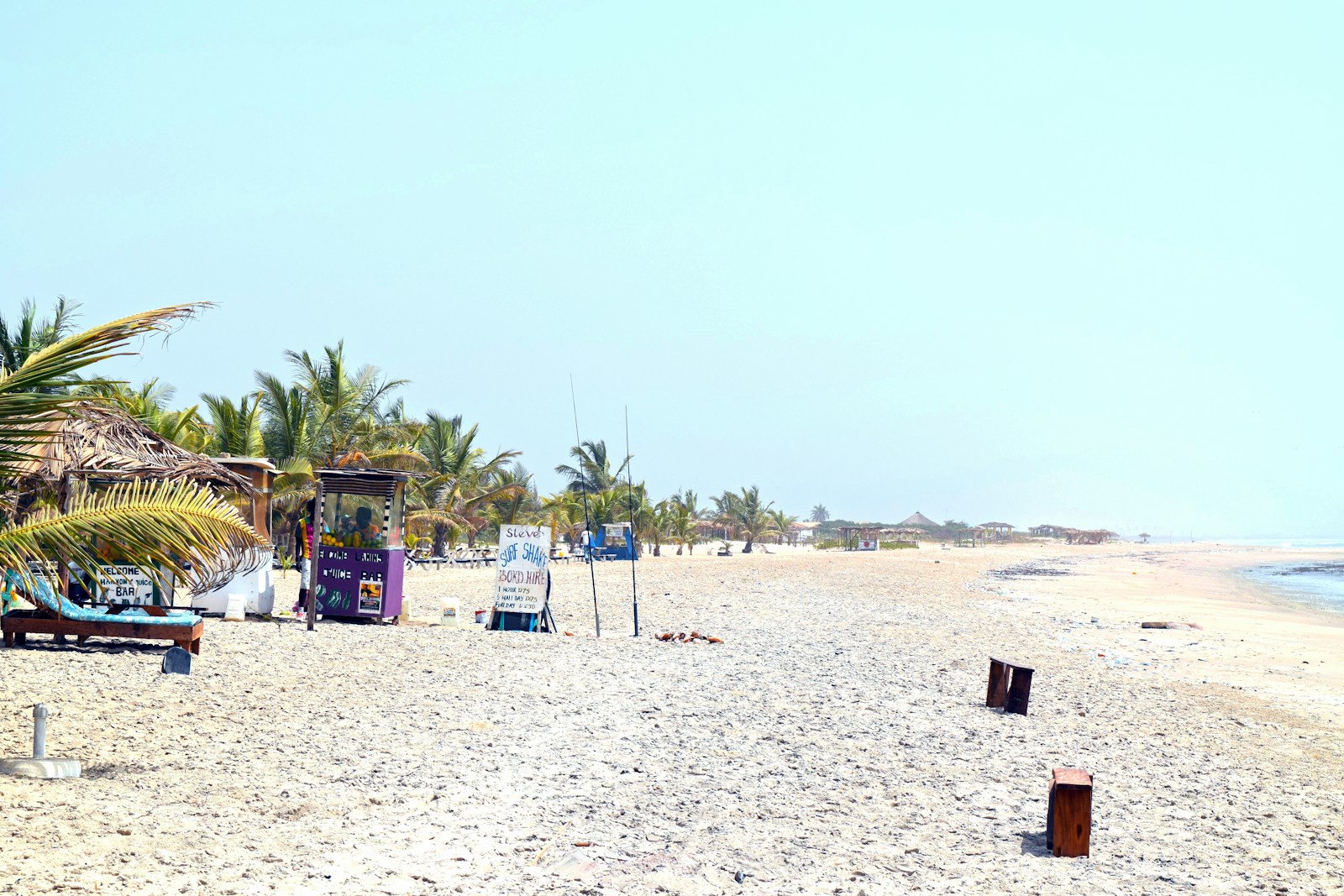
Photo by Omoniyi David on Unsplash · View original and licence
This is the answer for someone who says, “No, I mean hot.”
Important: February UV can be extreme. Shade, hydration, clothing and suitable sun protection need to be part of the plan.
Barbados — tropical warmth
Barbados Tourism describes warm year-round conditions, with an annual daytime high around 30°C, warm sea and a dry season during the northern-hemisphere winter and spring.
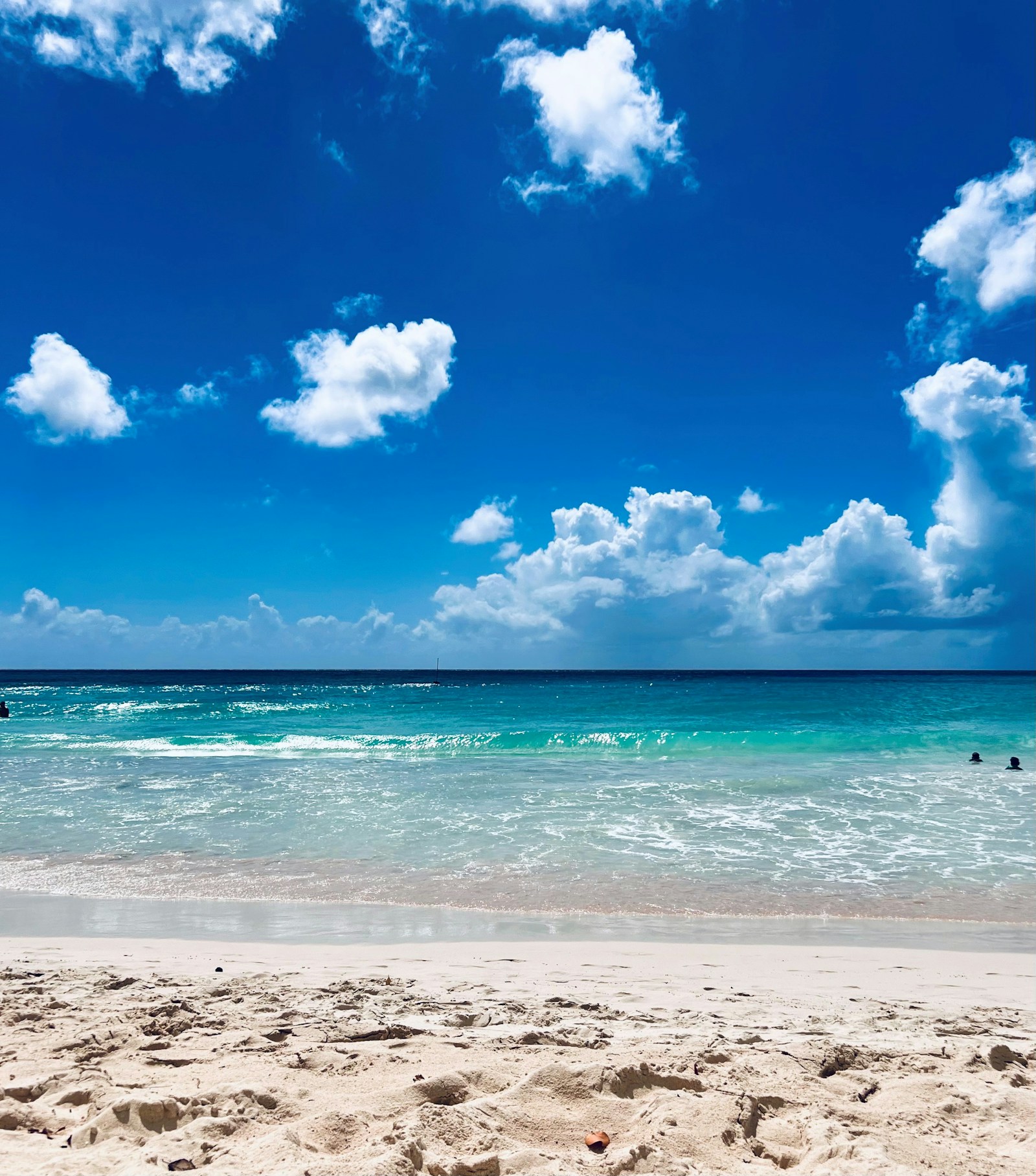
Photo by Lynn Ben-Yousef on Unsplash · View original and licence
The compromise is distance and usually cost, but for a main holiday rather than a quick escape it can make sense.
Choose it if: you want a Caribbean beach holiday, not merely somewhere warmer than Britain.
What about Madeira, Malta or Cyprus?
They can be excellent February destinations — but mild is not the same as hot.
Choose them for hiking, scenery, food and history. If strong beach heat is non-negotiable, move farther south.
Four questions before you book
- What temperature would disappoint me? If 22°C is not enough, eliminate the mild options now.
- Does the holiday depend on the beach? A destination with sightseeing gives you insurance against a mediocre weather day.
- How far will I fly for a few more degrees? Cape Verde, The Gambia and Barbados involve different journey commitments.
- What is the final cost? Add baggage, airport travel, transfers and food.
Use our cheap-flights guide to compare real transport cost, our package-vs-DIY guide for booking structure, and check current passport/entry requirements before departure. For European trips, start with our UK passport and Europe rules guide.
The bottom line
- Easy warmth: Tenerife.
- Warm culture: Marrakech.
- Dry resort: Hurghada.
- Mid-20s beach break: Cape Verde.
- City + beach: Dubai.
- Proper heat: The Gambia.
- Tropical Caribbean: Barbados.
The right February holiday is not simply the hottest dot on the map. It is the warmest place that still fits your budget, journey tolerance and idea of a good break.