Category: Travel

Practical travel guides for UK readers, covering cheaper flights, package holidays, passport requirements, EES, ETIAS and smarter trip planning.

  • UK Passport & Europe Rules 2026: EES and ETIAS

    Europe travel rules

    Europe’s border process has changed. EES is already operating, ETIAS is still to come, and passport validity depends on where you are travelling. Here is the practical version for UK travellers.

    Fact-checked: 31 August 2026 · Time-sensitive article
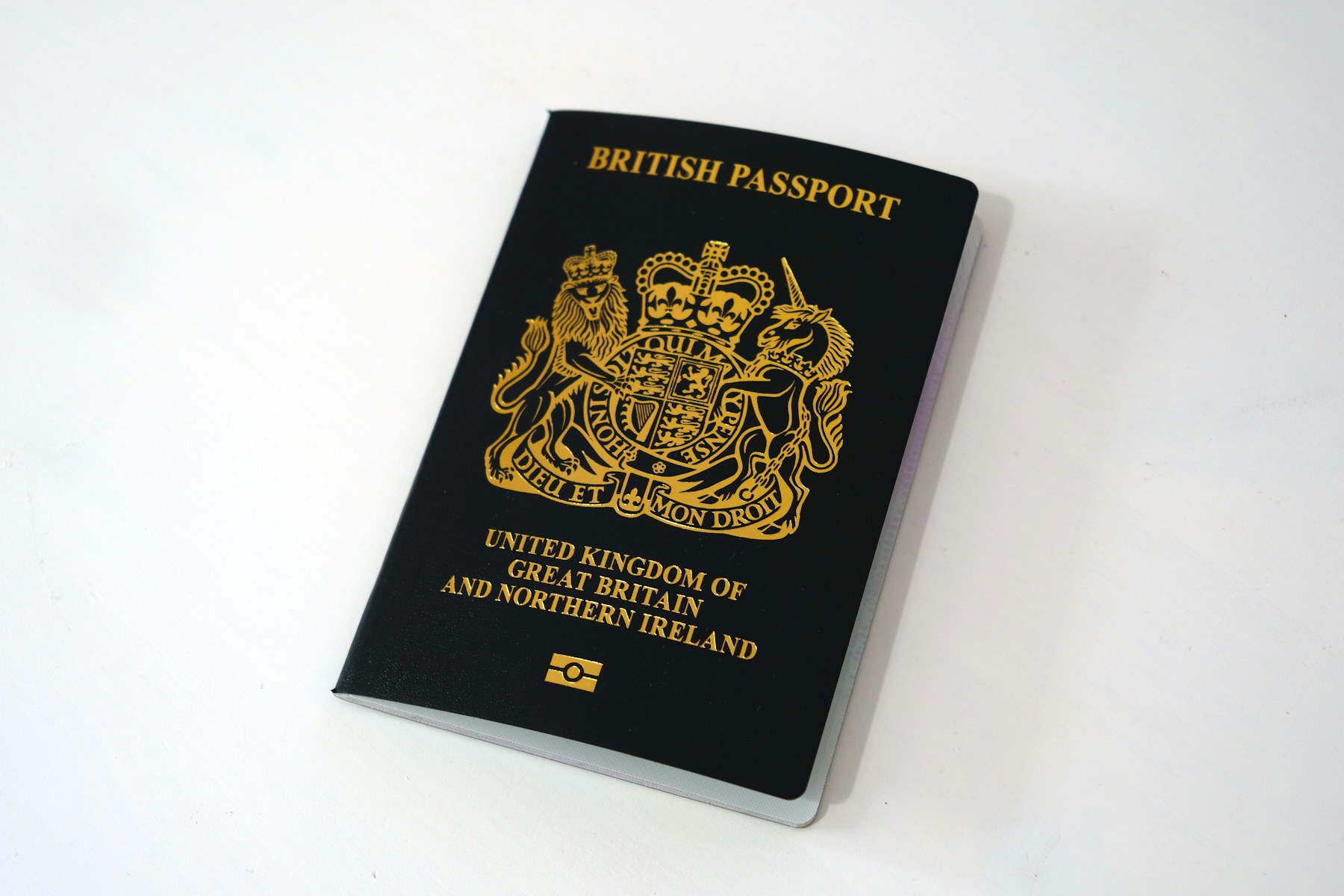
    Dark blue British passport on a light table
    Photo by Ethan Wilkinson on Unsplash · View original
    Quick answer: check the destination’s passport rules before booking, allow time for renewal, expect EES procedures when entering the Schengen area, and do not pay for ETIAS until the official system is operating.

    1. “My passport is in date” is not enough

    Different countries can require a particular amount of validity remaining on your passport. GOV.UK therefore says you must renew before travelling if your passport has expired or does not have enough time left for the country you are visiting. The official advice is to check the entry requirements for your destination.

    That makes the passport check one of the first parts of planning a European trip, not something to do the night before departure.

    2. What does a UK passport renewal cost?

    As at 31 August 2026, GOV.UK lists the standard adult passport fee as £102 online or £115.50 by paper form. A standard child passport is £66.50 online or £80 by paper form. You can verify the latest amounts on the official GOV.UK passport-fees page.

    HM Passport Office also advises people not to book travel until they have a valid passport.

    EES and ETIAS: two different systems

    12 Oct 2025
    EES began a progressive rollout.
    10 Apr 2026
    EES became fully operational across Schengen external border crossing points.
    Later in 2026
    ETIAS is scheduled to start in the last quarter of 2026; the EU says the exact date will be announced separately.
    European passport-control sign inside an airport
    Photo by Daniel Schludi on Unsplash · View original

    3. EES is already operating

    EES stands for the Entry/Exit System. The European Commission confirms that it became fully operational on 10 April 2026.

    The system replaces routine passport stamping with digital records for non-EU nationals making short stays. It records travel-document information as well as biometric data such as a facial image and fingerprints, subject to the rules and exemptions.

    For UK travellers, the EU’s UK delegation explains that you may encounter EES at a Schengen port or airport, or at French border-control points operating on UK soil — including Dover, St Pancras and the Eurotunnel terminal in Folkestone.

    4. ETIAS is not EES — and it is not yet operating

    ETIAS stands for the European Travel Information and Authorisation System. It is a pre-travel authorisation system for eligible visa-exempt travellers. It is separate from the border-registration process under EES.

    The European Commission’s current position is that ETIAS is scheduled to start in the last quarter of 2026, with the exact start date to be officially communicated.

    Scam-avoidance point: ETIAS is not accepting applications at the time this article was checked. Do not pay a third-party site for an “ETIAS application” before the official EU system is live.
    Passengers walking through a large European railway station
    Photo by Kevin Mantey on Unsplash · View original

    5. A practical pre-travel checklist

    • Open every traveller’s passport and check the expiry date.
    • Use GOV.UK to check the entry rules for the specific destination.
    • Renew early if the passport will not meet the destination’s requirements.
    • Expect EES border procedures when they apply to your journey.
    • Check the official EU position on ETIAS again close to departure.
    • Make sure the name on the booking matches the passport.
    • Keep travel documents accessible at the border.

    6. Check the official position before every trip

    This is the most time-sensitive article in the series. EES is already live, while the ETIAS timetable can change. Check the linked official guidance again shortly before travelling, particularly if your journey is later in 2026.

    The authoritative sources are linked inside the article so you can confirm the latest position quickly rather than relying on travel forums or old social-media posts.

    The Perry approach: before you spend time comparing hotels and flights, spend two minutes checking the passports. It is the least exciting part of holiday planning, but one of the easiest ways to prevent an expensive problem later.

    Sources & further reading

    Information was checked on 31 August 2026. This article must be rechecked immediately before publication because the ETIAS launch timetable is time-sensitive.

  • Cheap Flights from the UK in 2026: What Actually Works

    Travel smarter

    Cheap flights are rarely about one secret trick. The biggest savings usually come from flexibility, comparing the right things and refusing to be distracted by a headline fare that excludes half the journey.

    Fact-checked: 31 August 2026 · UK traveller guidance
    Aeroplane wing above the clouds
    Photo by Daniel Olah on Unsplash · View original
    Quick answer: compare flexible dates and nearby airports first, then compare the final cost after baggage, seat selection and airport travel. The cheapest advertised fare is not always the cheapest trip.

    1. Start with flexible dates, not a fixed flight

    If your dates can move even slightly, search a few days either side of your preferred departure. The UK Civil Aviation Authority (CAA) specifically notes that flexibility over dates — and travelling early in the morning or late at night — may help you find cheaper fares.

    That does not mean Tuesday is magically always cheapest, or that there is a universal “best time to book”. Airfares change with demand, route, season and airline pricing. A better habit is to compare a small date range rather than build your entire holiday around one flight search.

    2. Compare nearby airports — but include the journey to them

    For many UK travellers, there may be several realistic airports. London alone gives you Heathrow, Gatwick, Stansted and Luton, while travellers elsewhere may be able to compare Birmingham, East Midlands, Manchester or Bristol.

    A £45 cheaper flight can stop being cheaper once you add a longer train journey, petrol, airport parking or an overnight hotel. Think in terms of door-to-door cost, not just airfare.

    The £39 flight that becomes a £109 journey

    Scroll-triggered visual: the bars show why comparing the final cost matters.

    Headline fare

    £39

    + cabin bag

    £56

    + seat

    £72

    + airport trip

    £109

    Illustrative example only — airline and airport charges vary.

    Travellers walking past an airport departure board
    Photo by Jack Berry on Unsplash · View original

    3. Compare the real final fare

    Airlines must display mandatory charges and taxes in the upfront price, but optional items can still materially increase what you pay. The CAA highlights that bags and seat selection may carry additional charges, and baggage allowances differ by airline.

    Before you choose between two flights, add only the extras you genuinely need. Your comparison should look more like this:

    • Flight fare
    • Cabin or checked baggage
    • Seat selection, if important to you
    • Airport transport or parking
    • Transfers at the destination
    • Any overnight airport hotel forced by the flight time

    4. Use comparison websites as a discovery tool

    Comparison sites are extremely useful for seeing routes and dates together. The CAA says third-party comparison sites can sometimes help travellers find cheaper prices, while also advising travellers to check that the chosen airline accepts that kind of booking. Some third-party bookings may require verification with the airline.

    Once you find a flight you like, check the airline’s own site too. You are not guaranteed a lower direct price, but it gives you a clean comparison of the same itinerary and extras before you commit.

    Travellers with luggage inside a modern airport terminal
    Photo by Fabio Sasso on Unsplash · View original

    5. Try two one-way tickets

    A return ticket does not always have to use the same airline. On competitive European routes, one carrier may be cheapest outbound while another has the better return time or price.

    Important: if you create a trip from separate bookings, they remain separate contracts. A disruption to one booking does not automatically make another airline responsible for your other flight.

    6. Do not let a tiny saving create a worse trip

    The “cheapest” option can involve a 5:45am departure, a distant airport or a six-hour gap in your travel day. Put a value on your time and convenience. Saving £20 is useful; spending four additional hours and £18 on airport transport to achieve it is not much of a win.

    For larger bookings, it is also worth understanding payment protection. The CAA notes that paying by credit card for a booking over £100 may provide Section 75 protection under the Consumer Credit Act 1974, even where only part of the payment is made by credit card, subject to the legal requirements.

    The Perry approach: search widely, then make the decision using one number: the realistic total cost of getting from home to destination and back. That keeps a “cheap” fare from becoming an expensive journey.

    Sources & further reading

    Information was checked on 31 August 2026. Airline prices, baggage rules and optional charges change frequently; readers should confirm the current terms with the airline before booking.

  • Package Holiday vs DIY: Which Is Better Value?

    Holiday value

    A package can be cheaper, easier and better protected. A DIY trip can be more flexible and sometimes much cheaper. The useful question is not “which is best?” — it is “which is best for this particular trip?”

    Fact-checked: 31 August 2026 · UK consumer guidance
    Orange suitcase standing on a sandy beach
    Photo by Claudia Altamimi on Unsplash · View original
    Quick answer: price the same trip both ways. A package may include baggage, transfers and stronger package-level protection; DIY booking can win on unusual dates, city breaks and trips where you want complete control.

    First: understand what you are comparing

    Under UK package-travel rules, a package broadly combines at least two types of travel service for the same trip in circumstances defined by the regulations. ABTA’s consumer guidance explains the distinction between a package holiday and a linked travel arrangement — a distinction that matters because the protections are not the same.

    In everyday terms, the classic package is a flight and hotel sold together by a travel company. A DIY trip is usually a set of separate contracts: perhaps an airline, a hotel and a transfer company booked independently.

    Package vs DIY at a glance

    Package

    • One organiser for the package
    • Often bundles flight + hotel
    • Can include bags/transfers
    • Package-level legal protection
    • Relevant insolvency protection
    DIY

    • Separate suppliers/contracts
    • Maximum choice and flexibility
    • Mix airlines and accommodation
    • You manage disruptions across bookings
    • Protection depends on each purchase

    When a package holiday can be better value

    Packages are particularly worth checking for beach resorts, all-inclusive holidays and conventional seven- or fourteen-night trips. Large operators may have contracted flight seats and hotel inventory, so the combined price can sometimes undercut the same components bought separately.

    The package may also contain costs you would otherwise add later — baggage, transfers or meals, for example. That is why a £1,250 package can beat a £1,100 DIY search once another £180 of realistic extras appears.

    Sunny resort swimming pool with loungers and umbrellas
    Photo by Jonathan Ikemura on Unsplash · View original

    When DIY booking can make more sense

    Booking separately is especially useful for city breaks, unusual trip lengths, apartments, multi-city travel or routes where two different airlines give you better times. It also gives you much more control over the exact accommodation and transport you choose.

    But flexibility comes with administration. If one separately booked supplier changes its service, you may have to deal with the effect on the other bookings yourself.

    Compare like with like — not headline price with final price

    Cost to compare Package DIY
    Flights Included? Add fare
    Hotel Included? Add room rate
    Baggage Check allowance Add if needed
    Transfers Included? Add taxi/train/bus
    Meals Board basis? Add realistic food cost
    Protection Check package/ATOL documents Check each contract/payment

    The comparison only becomes meaningful when both columns describe the same holiday.

    Traveller planning a journey on a laptop beside an airport window
    Photo by Daniel Gomez on Unsplash · View original

    Protection is part of the value

    ABTA states that a package holiday has both legal and financial protection: the organiser is responsible for the proper performance of the package, while qualifying financial protection is designed to help if the organiser fails. ABTA’s financial-protection guide also explains that protection differs for packages, linked travel arrangements and standalone travel services.

    For flight-inclusive packages covered by the ATOL scheme, the Civil Aviation Authority explains that ATOL is intended to protect consumers if the travel organiser ceases trading, including refund or repatriation in relevant circumstances. You should receive an ATOL Certificate for an ATOL-protected booking; the CAA explains what ATOL does and what the certificate means.

    Do not assume every holiday purchase is ATOL protected. Flights bought directly from airlines are not protected by ATOL simply because they are flights, and protection depends on the type of booking. Check the documents for the actual trip.

    A five-minute decision method

    1. Find a suitable package for the dates and destination.
    2. Price the closest equivalent flight and accommodation separately.
    3. Add bags, seats, transfers, meals and airport costs.
    4. Check what financial and legal protection applies to each option.
    5. Ask whether the cheaper option is still convenient.

    The final difference may be surprisingly small. If the package costs £60 more but includes transfers, bags and simpler protection, that extra £60 may be good value. If the DIY option saves £300 and gives you a better hotel, the opposite may be true.

    The Perry approach: do not choose between “package” and “DIY” in principle. Run both numbers for the actual trip, then put convenience and protection beside the price. That is a much better measure of value.

    Sources & further reading

    Information was checked on 31 August 2026. Protection depends on the precise booking structure and supplier; readers should confirm what applies before payment.