Comfort & slow cooking
Make time do the work.
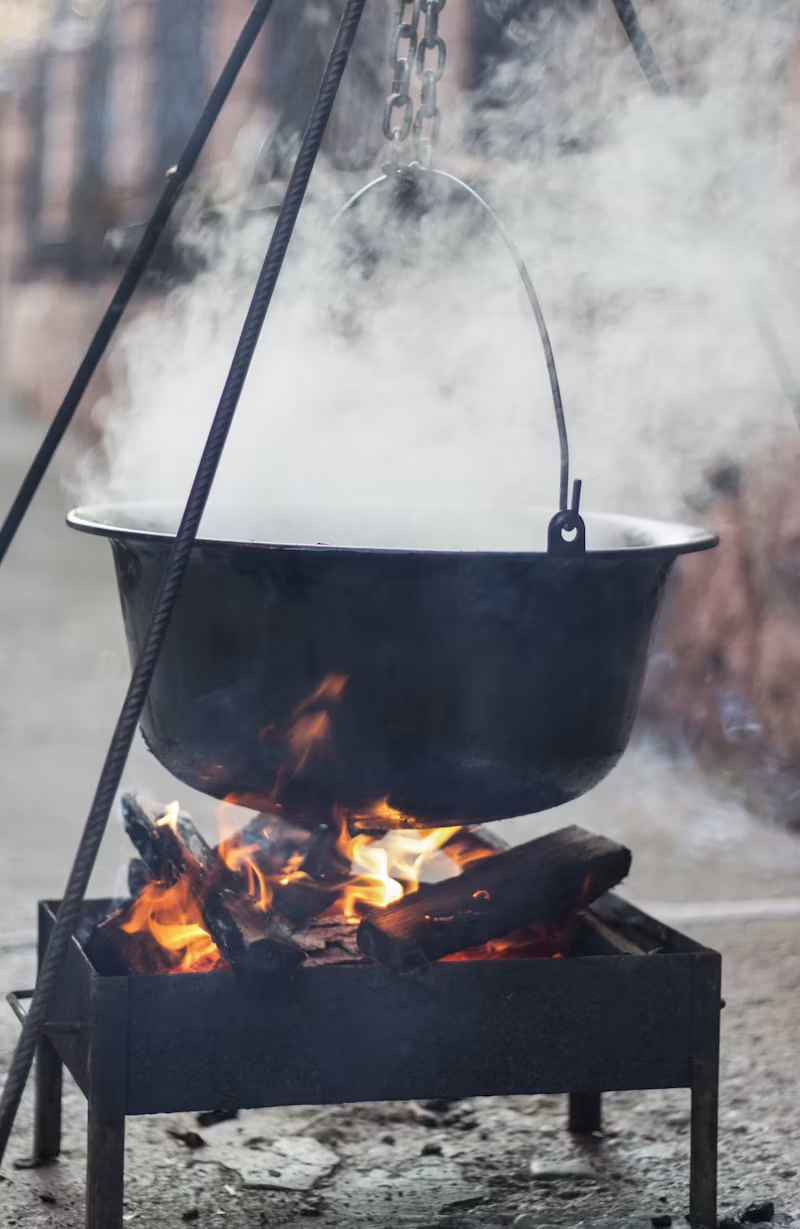
Layered flavour, patient cooking and the signs that matter more than a rigid timer.
Start with a family dish
Central European traditions · British kitchen
Family dishes, everyday comfort and Central European recipes adapted for the ingredients, ovens and tables of a British home.
Find something to cook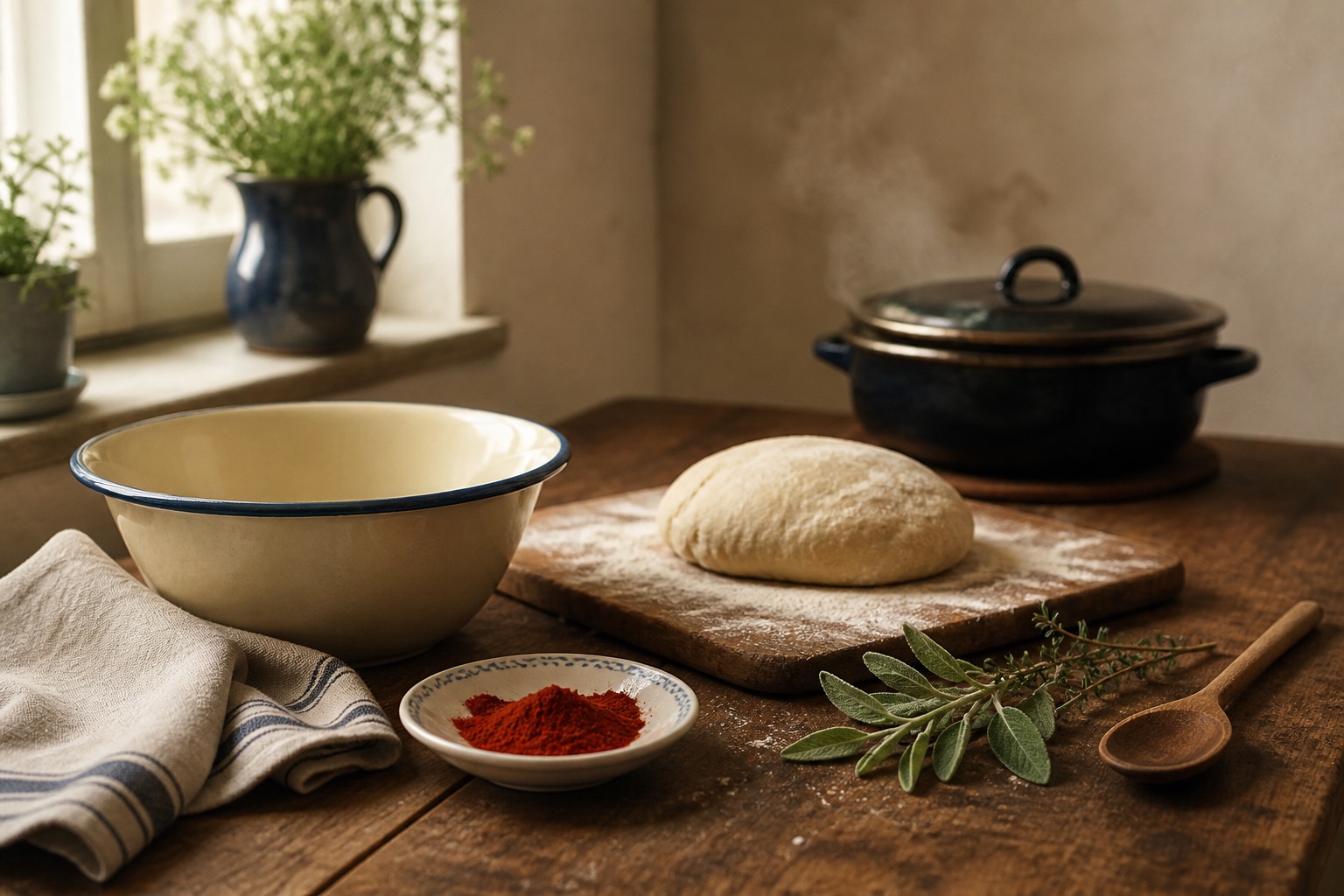
“I’m a feeder.”
Food that feels like home
Anita’s Kitchen is interested in the food people actually return to: a slow-cooked family dish, a bake carried to the table, or the practical detail that turns an unfamiliar recipe into a confident one.
Family method, documented food history and reasonable substitutions are kept distinct, so the reader can understand what defines the dish and where a British kitchen may need to adapt.
Cook by mood
Choose the kind of cooking first, then move into the recipe and its practical notes.
Comfort & slow cooking
Layered flavour, patient cooking and the signs that matter more than a rigid timer.
Start with a family dishBaking & sharing
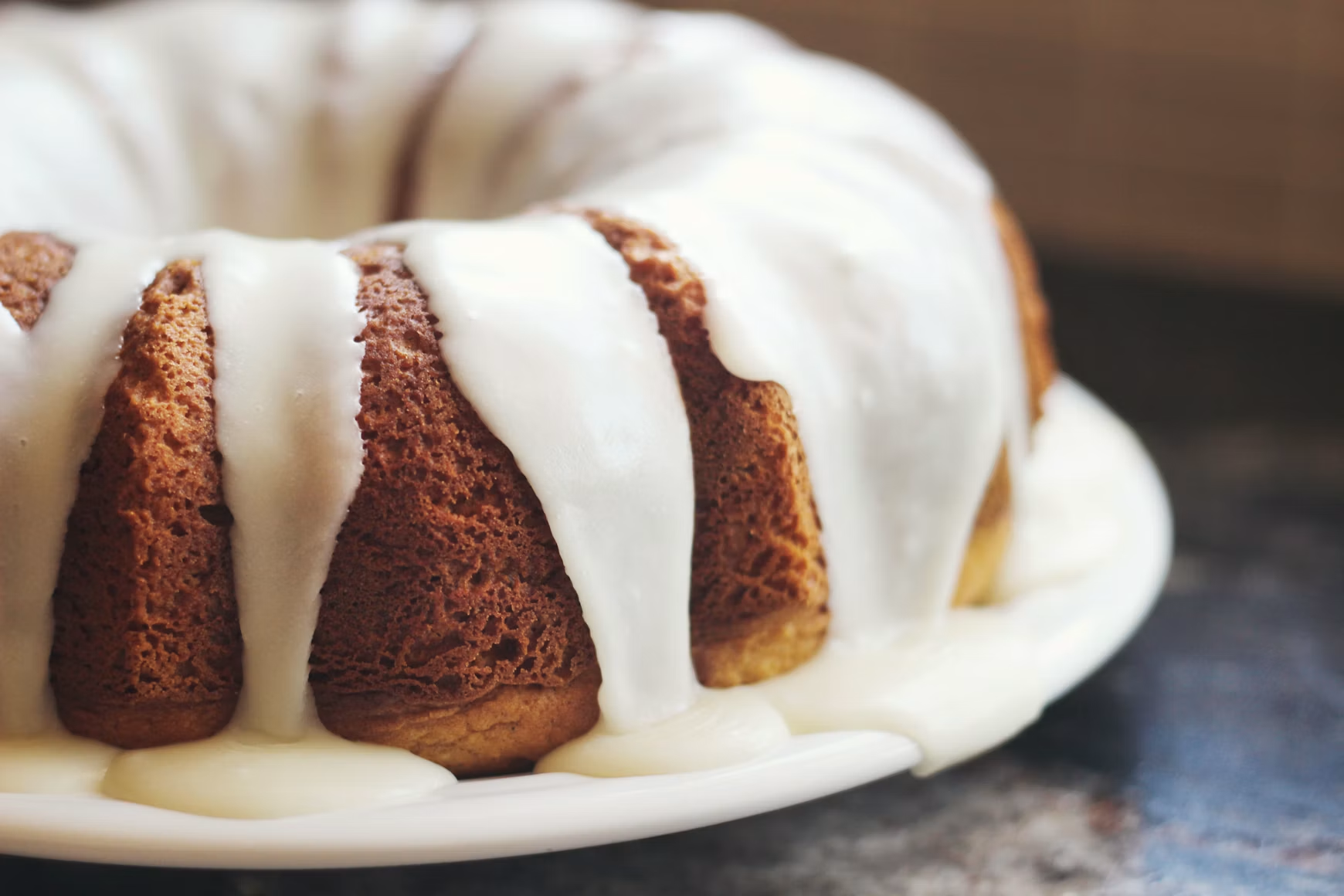
Texture, tins, temperatures and the small choices that help a familiar cake work in a different kitchen.
Start with bábovkaEveryday kitchen
Ingredient notes, substitutions and methods that build confidence between the longer family recipes.
Browse the Kitchen archiveFrom the recipe box
Two current recipes, with family context and the practical detail needed to begin.
Anita’s Kitchen
What makes a bábovka a bábovka, how family versions differ, and the practical steps that help a ring cake leave the tin intact.
Read Bábovka for a British kitchen: the Central European cake with many family versionsAnita’s Kitchen
A friendly guide to the paprika-rich dishes Britain often calls goulash, and why Hungarian, Slovak and Czech kitchens may use the names differently.
Read Goulash, gulyás and pörkölt: what are we actually cooking?From Central Europe to a British kitchen
A useful recipe explains what the cook is looking for. That matters when flour behaves differently, paprika varies in strength, dairy has another fat content, or an oven and tin change the timing.
Explain the role of a traditional ingredient before suggesting a realistic substitute.
Give the tin, pan or utensil a purpose, so alternatives can be chosen sensibly.
Describe texture, colour and feel alongside temperatures and minutes.
The Kitchen archive
The collection is still growing; every published Kitchen piece remains available here.
Anita’s Kitchen
What makes a bábovka a bábovka, how family versions differ, and the practical steps that help a ring cake leave the tin intact.
Read Bábovka for a British kitchen: the Central European cake with many family versionsAnita’s Kitchen
A friendly guide to the paprika-rich dishes Britain often calls goulash, and why Hungarian, Slovak and Czech kitchens may use the names differently.
Read Goulash, gulyás and pörkölt: what are we actually cooking?Beyond the recipe
Food history and personal tradition can sit together without pretending they are the same thing. That distinction is part of The Perry’s editorial approach.
How The Perry worksContinue exploring
Move into Journal for useful observations, or Trips & Outdoors for the places and days out that sit beyond the kitchen door.