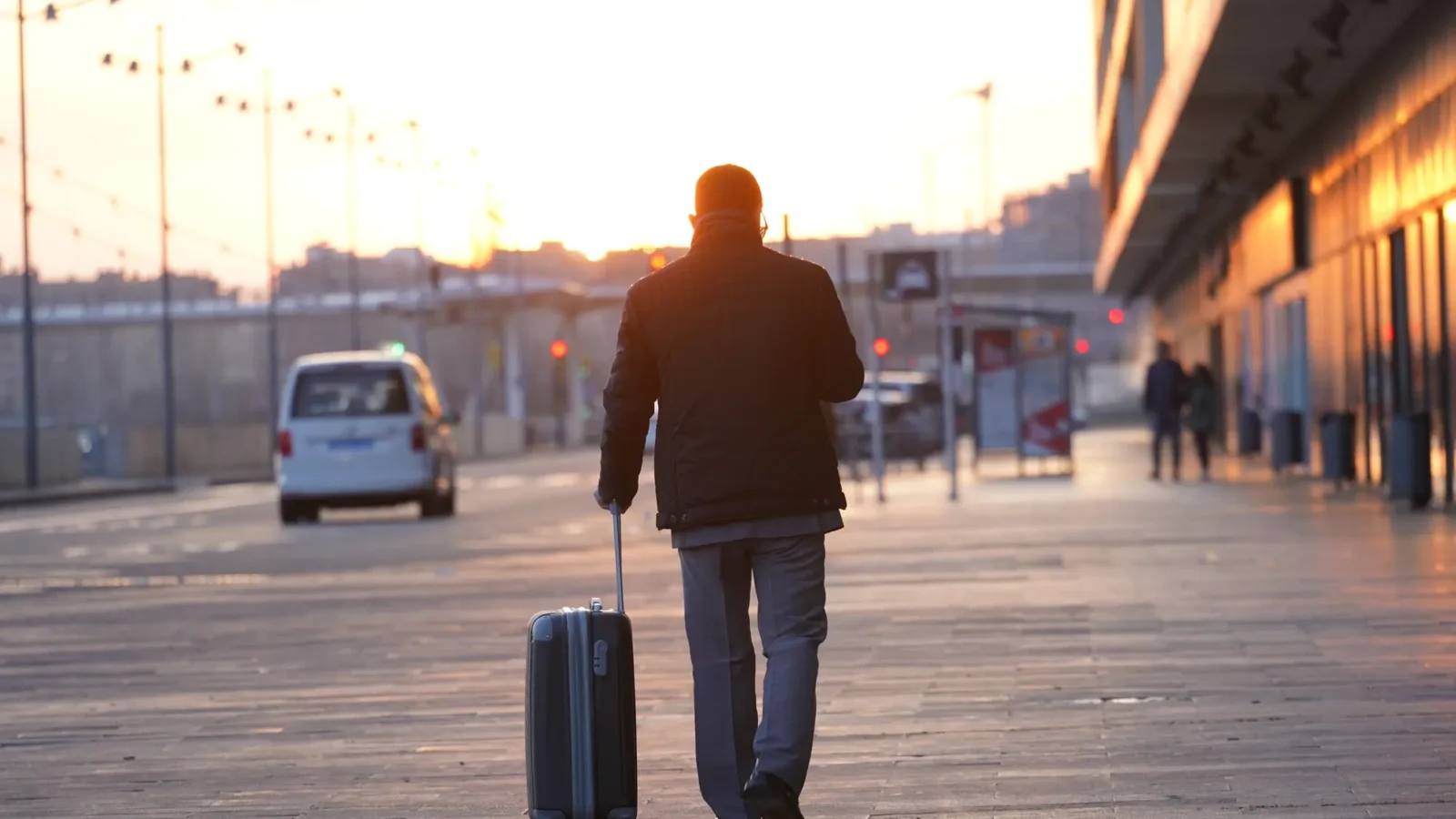
A cheap flight can become surprisingly expensive between choosing the ticket and reaching the boarding gate. The problem is often not the suitcase itself. It is assuming that “hand luggage included” means the same thing on every airline.
A week with one small bag is possible for some trips, but it involves choices: fewer outfits, fewer shoes and, quite often, washing something halfway through. It is not a competition, and paying for a larger bag can be the sensible decision.
This guide separates the rules from the packing suggestions, so you can work out what suits your journey before the living-room floor disappears under clothes.
Featured photograph by Nilo Velez via the WordPress Photo Directory · View original and CC0 licence
Start here: check your allowance on every flight, pack for the smallest allowance you will use, and measure the bag after filling it. The packing examples below are suggested plans, not physically tested promises that a particular list fits a particular bag.
First, which kind of hand luggage have you bought?
There are two different spaces on the aircraft: under the seat and in the overhead locker. A ticket including the first does not necessarily include the second.
The following is a dated comparison, checked on 11 September 2026. Your booking and the airline’s current rules take priority.
| Airline | Small bag included in all fares | Larger cabin bag option |
|---|---|---|
| Ryanair | 40 × 30 × 20 cm; fits under the seat | Priority & 2 Cabin Bags includes a second bag up to 55 × 40 × 20 cm and 10 kg |
| easyJet | 45 × 36 × 20 cm, including handles and wheels; up to 15 kg, carried by you | Up to 56 × 45 × 25 cm and 15 kg when booked or included through an eligible benefit |
Check the original Ryanair baggage policy and easyJet cabin-bag guidance, rather than relying on a bag advertised as “airline approved”.
A bag measuring 45 × 36 × 20 cm may fit easyJet’s small-bag allowance but exceed Ryanair’s. The return flight matters just as much as the outbound flight, especially when you are using different airlines.
Decide whether an underseat bag is realistic
Before packing, answer three questions: what will you actually do, what will the weather require, and can you wash clothes?
An uncomplicated warm-weather break with casual dinners is different from a week containing a wedding, hiking and several formal evenings. A laptop, medical equipment or specialist footwear can change the calculation before clothes enter it.
For the smaller plan below, assume mild weather, casual activities, one pair of main shoes and access to a wash or laundry service. Check that access rather than assuming the hotel will have a washing machine. Clothes also need time and somewhere suitable to dry.
If those assumptions do not match your holiday, use the larger-bag plan or buy checked baggage. The objective is a workable holiday, not winning an argument with a zip.
A suggested seven-day underseat packing list
Wear your bulkiest sensible outfit for the journey: main shoes, one bottom, one top and the outer layer you will genuinely use. Keep comfort in mind; wearing several unnecessary layers is not a useful packing strategy.
Then begin with this list of items inside the bag:
| Item | Starting quantity | The decision to make |
|---|---|---|
| Lightweight tops | 3 | Choose pieces that work with either bottom |
| Spare bottom | 1 | Avoid an item that needs its own separate outfit |
| Underwear and socks | 4 changes | This assumes a midweek wash; pack more if needed |
| Sleepwear | 1 compact set | Something you can comfortably reuse |
| Swimwear | 1, only when relevant | Remove it for a trip without swimming |
| Toiletries | One compact kit | Include your actual requirements, not hotel-room possibilities |
| Electronics | Phone, required charger and adapter | Add other devices only with a clear purpose |
| Essentials | Documents, medicines and personal necessities | These take priority over the clothing count |
This is a starting point, not a rule about hygiene or how often everyone should wash clothes. Adjust for your body, activities, weather and needs. A hot, active holiday may require more frequent changes than a cool city break.
Make outfit combinations on the bed before packing. If a shirt works only with shoes and trousers you would otherwise leave behind, it is demanding a surprising amount of luggage space.
What changes with a larger cabin bag?
A larger allowance gives you more flexibility, but it is easy to fill the extra space without making the holiday better.
Start with the same essentials. Then consider another bottom, more underwear, an extra warm layer and a genuinely useful second pair of shoes. Add a book, camera or tablet because you expect to use it, not because an empty corner needs filling.
Do not treat the larger-bag dimensions as permission to ignore weight. Also distinguish a cabin-bag purchase from a checked-bag purchase: they may have different sizes, handling arrangements and places to drop them off. For example, Ryanair’s 10 kg check-in bag goes to the hold after being handed over at the airport, rather than providing an extra locker bag.
Write the allowance beside each flight in your itinerary. That small step is more useful than remembering vaguely that you “added luggage”.
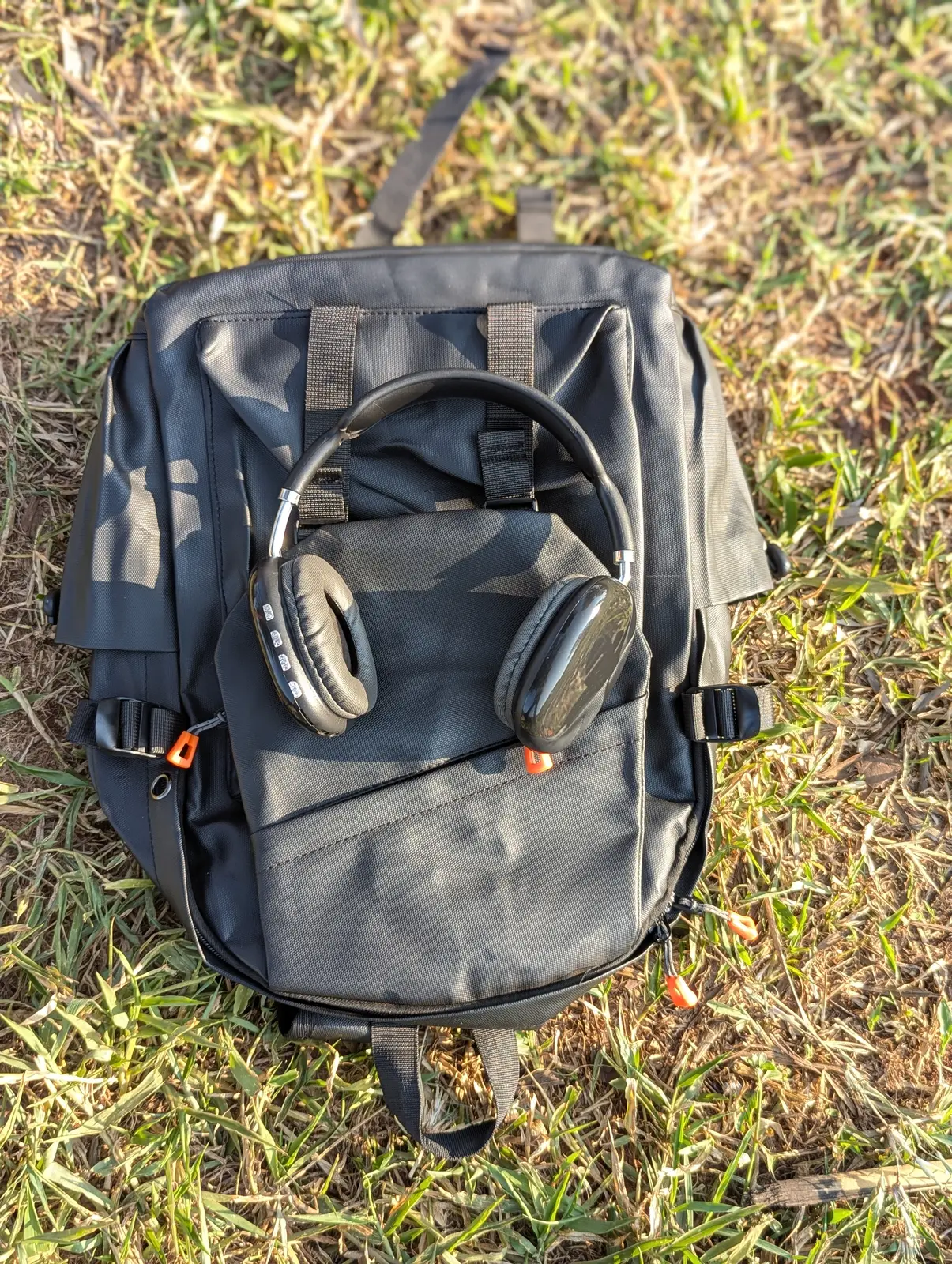
Photo by Iyundhu Kennedy via the WordPress Photo Directory · View original and CC0 licence
Pack by access, not just by shape
Rolling, folding and packing cubes are organisational choices. None changes an airline’s allowance. Use what helps you find things without repeatedly emptying the bag.
Put clothing together, toiletries where you can reach them and travel essentials in a secure accessible compartment. Keep anything you might need during the journey away from the bottom beneath your shoes.
A useful test is to imagine the following sequence: show your documents, pass security, take out a charger and find a warmer layer. Can you do that without displaying the whole week’s underwear to the departure lounge?
Avoid buying a full set of organisers before trying the bag you already own. A small pouch you have at home may do the same job. The important measurement is the finished bag, not how professionally arranged it looks inside.
Do a realistic packing rehearsal
Pack several days before departure, close the bag normally and measure all three dimensions. Check any required weight limit with the actual contents inside.
Include handles, wheels, filled side pockets and anything attached outside. Soft fabric does not make an overfilled bag smaller. Test whether you can carry it comfortably through a station or airport, not simply lift it off the floor.
Next, unpack one item you expect to use during travel and repack it. A bag that fits only after twenty minutes of careful compression may be awkward in real use.
Finally, leave a little room for the return journey. Laundry rarely folds as tidily as freshly packed clothes, and gifts need space too. Photographing your packed layout can help you repeat it; it is not proof that an airline must accept the bag.
Toiletries: check the airport, not just the airline
Liquid rules concern airport security and can differ between airports. GOV.UK’s current guidance says most airports restrict containers to 100 ml, while some permit containers up to two litres. A part-full larger bottle can still be refused where the 100 ml restriction applies.
Check your departure, connecting and return airports. Do not assume a newer scanner automatically means a larger liquid allowance. The separate clear-bag requirement also depends on the airport.
For an ordinary toiletries kit, a practical approach is to use small containers and bring a suitable clear resealable bag, while following the actual instructions at security. Remember that creams, gels and toothpaste count as liquids under the published guidance.
Check which toiletries your accommodation supplies before duplicating them. Keep enough of products you genuinely require; buying replacements abroad is not always convenient or cheaper. Security clearance also does not override separate dangerous-goods restrictions.
Medicines and batteries are not optional packing reductions
Do not remove necessary medicine or medical equipment to make a minimalist list work. GOV.UK’s medicine guidance explains the relevant exemptions and when proof of prescription is required for liquid medicines over 100 ml. Destination rules for medicines may need separate checking.
Power banks and spare lithium batteries require particular care. The Civil Aviation Authority’s packing guidance places these in cabin baggage, with restrictions on capacity and protection against short circuits. Check your airline’s current limits and onboard-use rules; they may be stricter.
If your cabin bag is taken for the hold at the gate, tell staff about batteries and remove items that must remain in the cabin. Keep documents, essential medicines and valuables accessible so a gate-check does not separate you from what you need.
The midweek wash that makes the smaller plan possible
Treat laundry as part of the itinerary, not a vague rescue plan. Identify whether you will use accommodation facilities, a local laundrette or an appropriate hand wash permitted by the accommodation.
For a seven-night stay, plan the wash early enough that essentials are clean and dry before you need them. Check care labels and drying conditions. Do not rely on thick clothing drying overnight in a cool bathroom.
The cost also belongs in your baggage comparison. If paid laundry costs more than the baggage upgrade and you would rather spend the time sightseeing, carrying more clothing may be better value.
This is why a packing list copied without its assumptions is incomplete: somebody else’s eight-litre miracle may include daily laundry you have no intention of doing.
Adapt the plan for winter rather than adding a second wardrobe
A Christmas-market break changes the priorities. Think about insulation, rain, comfortable footwear and what happens when something becomes wet. An extra useful layer may matter more than another dinner outfit.
Choose clothing that layers together. Wear the coat and main shoes you need, but do not attempt to conceal an extra wardrobe on your person. A winter underseat trip is much more restrictive than a warm-weather trip of the same length.
Our Christmas-market guide can help you choose the destination; your final clothing decision should use the forecast close to departure. For a February winter-sun holiday, remember that warm afternoons do not automatically mean warm evenings.
When paying for baggage is the better deal
Compare the return-trip cost, not a one-way headline. Include any extra airport handling or transfer implications and what you would spend replacing things left behind.
Illustrative example, not an airline quote: an extra bag costs £36 across the journey. Avoiding it would mean £18 of laundry and £12 of replacement toiletries. The cash saving is only £6, before considering time and convenience.
That may still suit you. It simply is not a £36 saving.
Our cheap-flights guide explains the wider total-journey comparison. Packing light should support a good-value trip, not make the holiday unnecessarily uncomfortable.
Photo by gaby21 via the WordPress Photo Directory · View original and CC0 licence
Your final ten-minute check
Open each booking and confirm the bags you have actually purchased. Measure and weigh the packed bag again after any last-minute additions. Check security instructions for every airport, then separate documents, medicines and restricted battery items for easy access.
Ask one final question: could I remove something useful during the journey and put it back without a struggle?
If the answer is no, repack now, not at the gate. A genuinely manageable bag makes the journey easier in both directions.
Three questions people often ask
Can I take a handbag as well? Do not assume so. Check the number of pieces your particular fare permits and any explicit exceptions. A handbag, laptop bag or shopping bag can still be a separate piece of baggage.
Does “cabin size” on a shop label settle it? No. Compare the bag’s packed measurements with your airline’s current limits. A generic product label does not describe every airline and fare.
Is hand luggage only always cheaper? Not once laundry, replacement items and upgrades elsewhere are included. The best choice is the smallest allowance that meets your actual needs at a sensible total cost.
The aim is not to take the least. It is to take enough—and know that your bag belongs on the booking you bought.
Sources and further reading
- Ryanair: baggage policy and included small-bag dimensions.
- easyJet: cabin bags, sizes, weights and booking options.
- GOV.UK: liquids in hand luggage.
- GOV.UK: medicines, equipment and dietary requirements.
- UK Civil Aviation Authority: safety advice on what to pack.
Rules checked 11 September 2026. Packing quantities and the cost example are editorial suggestions, not airline guarantees or a physical packing test.