A grand Baroque palace, Winston Churchill’s birthplace, beautiful gardens and locations from James Bond and Bridgerton — Blenheim Palace is one of those days out where history rarely feels dull.
There are historic houses that you visit because you feel you should — and then there are places that make you want to explore. Blenheim Palace belongs firmly in the second category.
Featured image: Photo by Einar H. Reynis on Unsplash · View original
A palace built to celebrate a victory
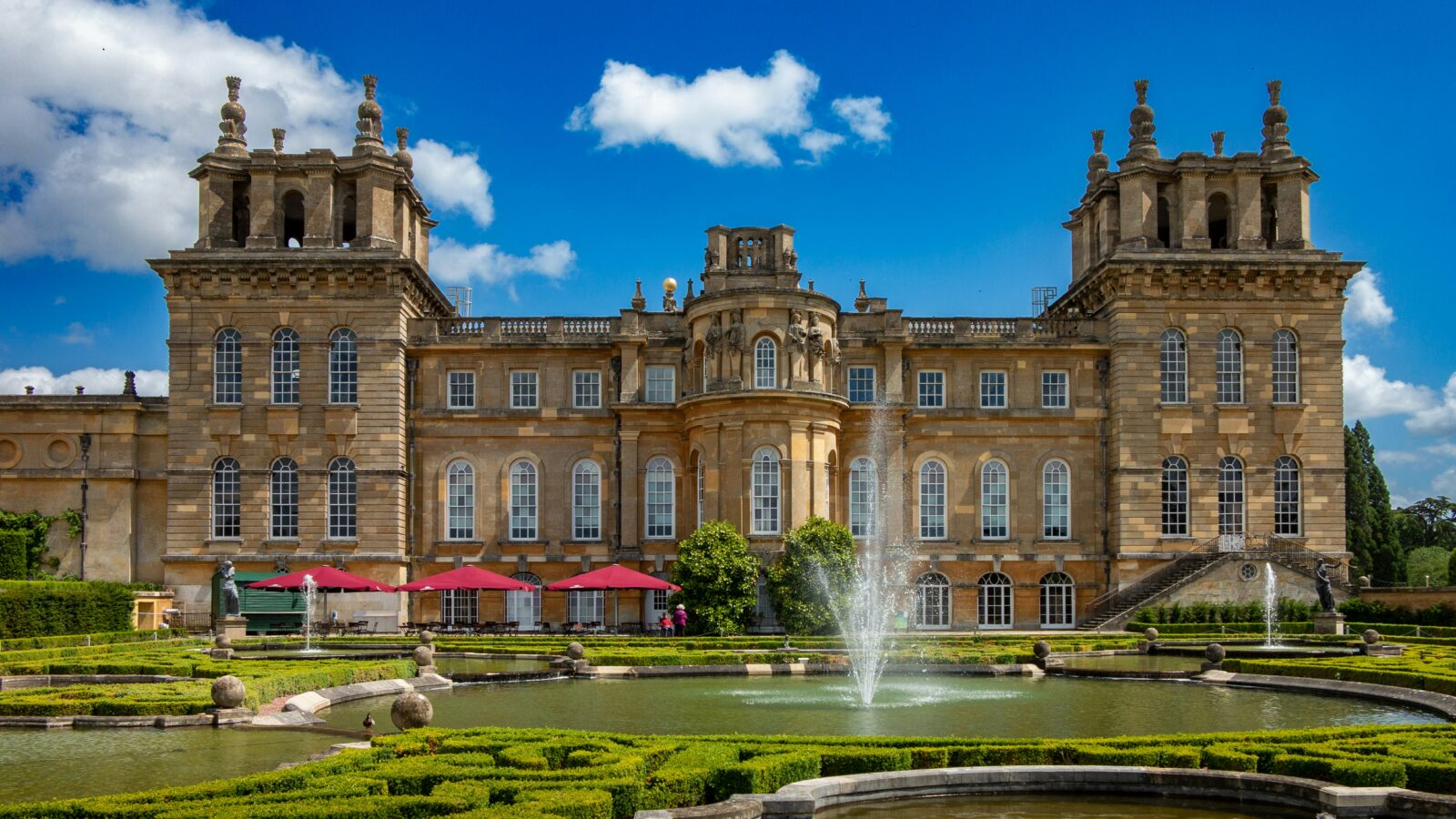
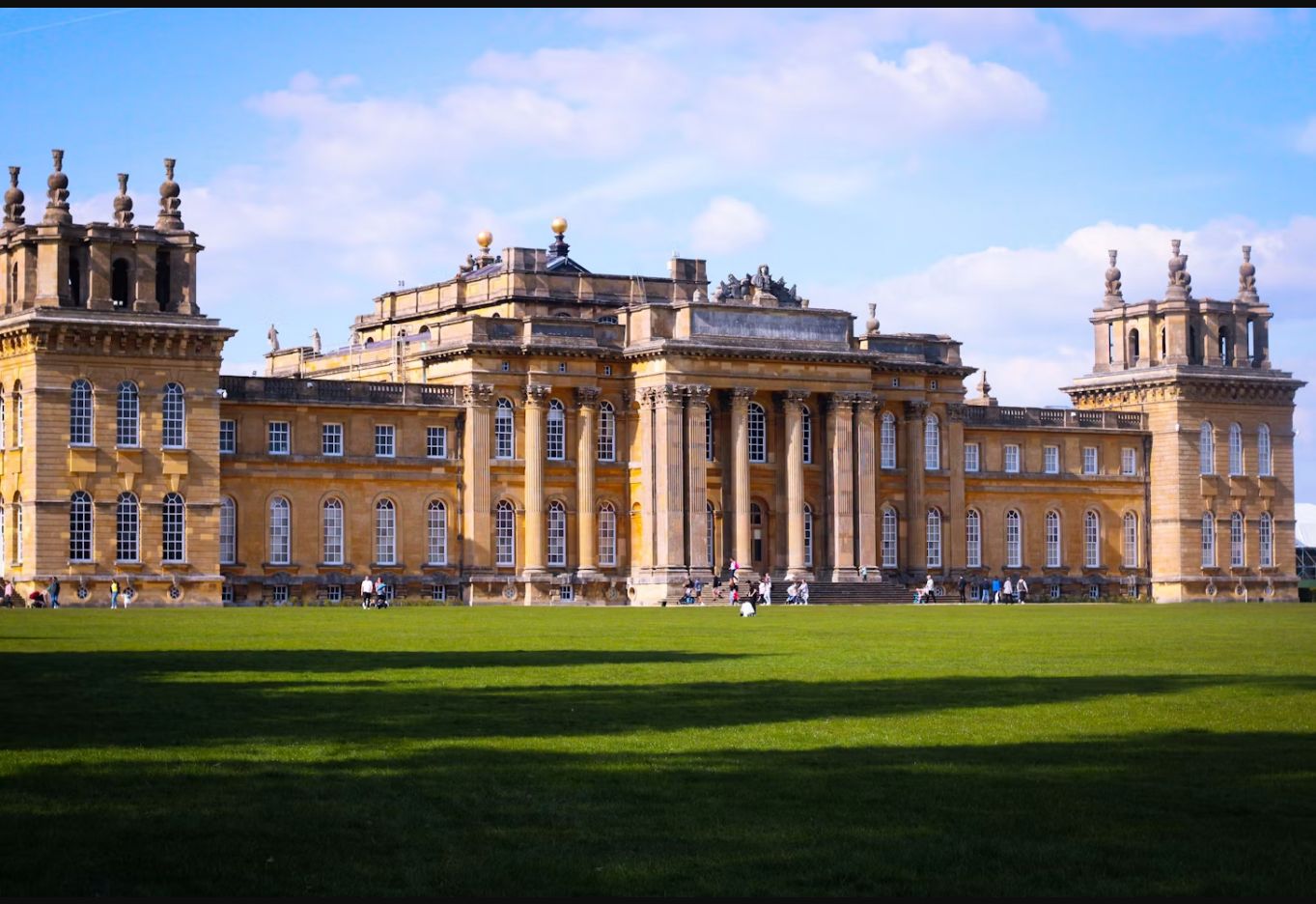
Blenheim Palace stands near Woodstock in Oxfordshire, surrounded by monumental architecture, lawns and parkland. Its story begins in 1704, when John Churchill led allied forces to victory at the Battle of Blenheim. Queen Anne rewarded him with the Woodstock estate, and the Palace was built in his honour as the 1st Duke of Marlborough.
Construction began in 1705. Architects John Vanbrugh and Nicholas Hawksmoor created one of Britain’s great Baroque buildings — a home designed to make a statement. More than three centuries later, it remains home to the Dukes of Marlborough and has been a UNESCO World Heritage Site since 1987.
Look up when you enter
Your first major encounter is the Great Hall — and the best advice is simple: look up. Around 67 feet above visitors is Sir James Thornhill’s painted ceiling, celebrating the victorious 1st Duke of Marlborough.
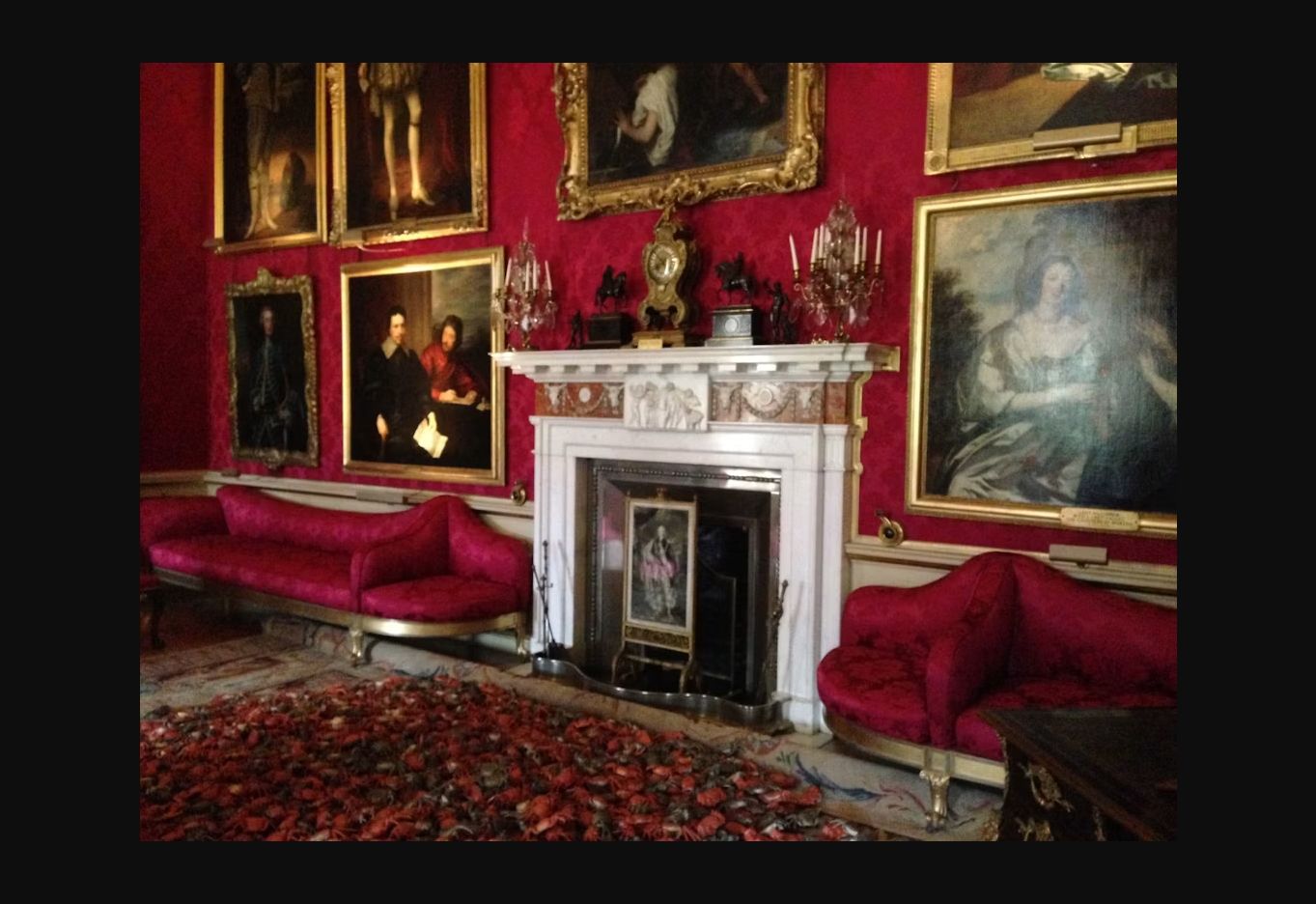
From there, the State Rooms move between tapestries, portraits, gilded furniture and objects collected by generations of the Marlborough family. Slow down for the Long Library: despite its name, it feels more like a ceremonial gallery, with around 10,000 books.
Then the story becomes Churchill’s
Blenheim is also the birthplace of Sir Winston Churchill, born here on 30 November 1874. His Birth Room is part of the Palace visit, but the dedicated Churchill Exhibition is worth giving proper time to.
It brings together photographs, letters and personal possessions, including Churchill’s maroon siren suit. You can hear extracts from his speeches and see a life-size model created to his measurements. It is a far more personal experience than simply reading a nameplate in a historic house.
Churchill’s connection with Blenheim continued throughout his life. He proposed to Clementine Hozier at the Temple of Diana on the estate in 1908.
Lights, camera, Blenheim
Then comes one of the most entertaining surprises: you have probably seen Blenheim before, even if you have never visited.
The estate has been used in James Bond: Spectre, Mission: Impossible – Rogue Nation, Bridgerton, Queen Charlotte, Cinderella, The BFG and Napoleon. In Spectre, the Great Court doubled as Palazzo Cadenza. Mission: Impossible used the Great Court, Great Hall, Green Writing Room and Long Library, while Bridgerton filmed across the Palace and Water Terraces.
Blenheim provides a Lights, Camera, Action! film trail, turning the visit into a pleasing game of: “Wait… was this the room from Bridgerton?”
Finish the day outside
The Palace may get most of the attention, but do not leave immediately after the interiors. Blenheim sits within around 2,000 acres of park and gardens, much of it shaped by Capability Brown. Walk towards the lake, cross the Grand Bridge, explore the formal gardens and remember to turn around: some of the best views are behind you.
Is Blenheim Palace worth a full day?
Yes. It is a palace, an architectural monument, a family home, Churchill history, a film set and a huge landscaped estate rolled into one. Give yourself most of a day, wear comfortable shoes and leave a little room in the plan to wander.
You may arrive because you want to see one of Britain’s greatest historic houses. You may leave talking about Bond’s Aston Martin, Churchill’s siren suit or whether you recognised that room from Bridgerton.
Sources and further reading
- Blenheim Palace — State Rooms
- Blenheim Palace — Churchill Exhibition
- Blenheim Palace — filming timeline
- UNESCO — Blenheim Palace World Heritage Site
- Image credits are shown beside each photograph, with direct links to the original Unsplash images.