Ask for goulash in Britain and many people picture a thick beef stew, dark red with paprika and ready for bread, potatoes or dumplings. Ask for gulyás in Hungary and the bowl may be decidedly more soup-like. Move through Slovakia and the Czech Republic and guláš develops local forms again.
This is not evidence that one grandmother was right and another wrong. It is what happens when a practical dish travels through languages, borders and family kitchens.
The name began with the herdsman

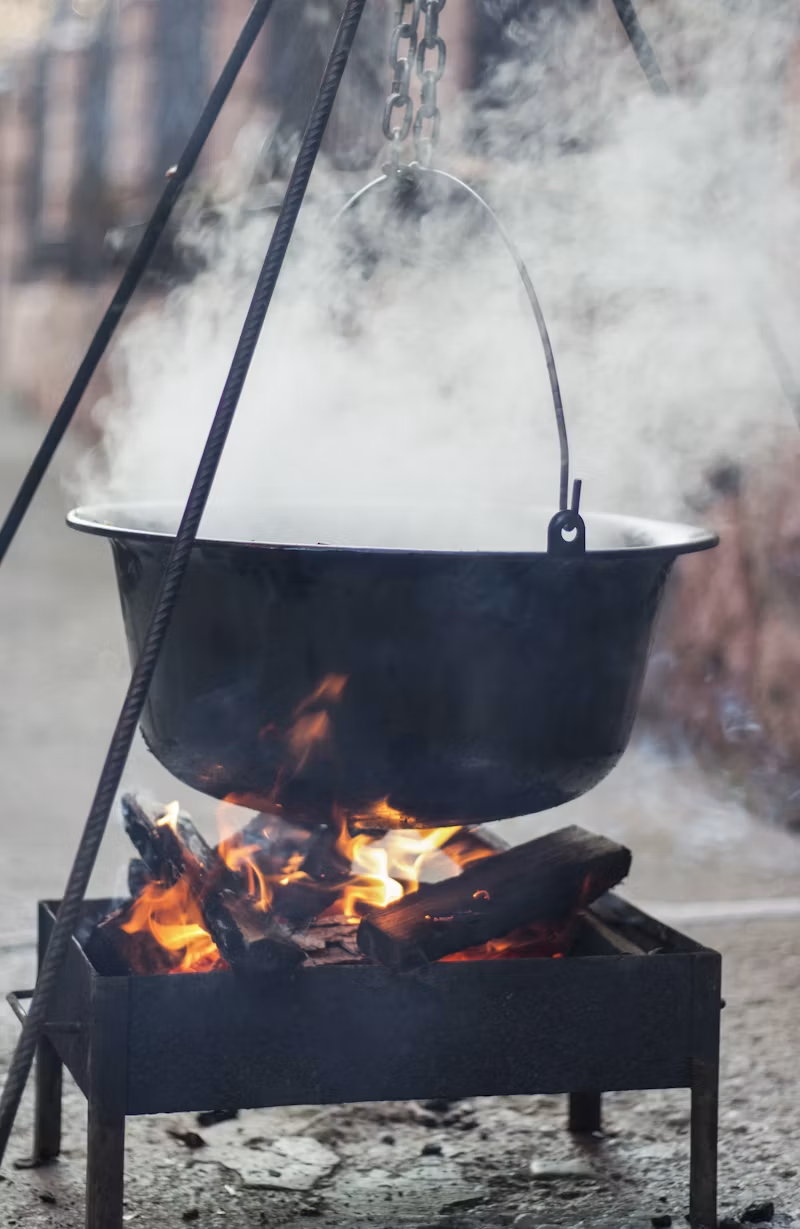
The Hungarian word gulya refers to a herd of cattle, while gulyás means the herdsman. Accounts of the dish connect it with cattle herders cooking meat in a bogrács, a cauldron suspended over fire on the Hungarian plain.
The earliest versions could not have depended on paprika as we now understand the dish: peppers reached Europe only after contact with the Americas, and paprika became embedded in Hungarian cooking later. The older idea was durable, seasoned meat that could be reconstituted with water. Potatoes and the now-familiar red seasoning arrived into the story over time.
Food history is rarely a neat recipe card. What matters is that gulyás grew from the logic of outdoor cooking—meat, heat, liquid and an economical pot—before becoming a national symbol.
Gulyás: generally the soupier relative
Modern Hungarian gulyás or gulyásleves is commonly a soup containing beef, onions, paprika and vegetables such as potatoes and carrots. Caraway, garlic, peppers and small pinched noodles called csipetke may appear. It can be substantial enough to make the British distinction between “soup” and “main course” feel unhelpful.
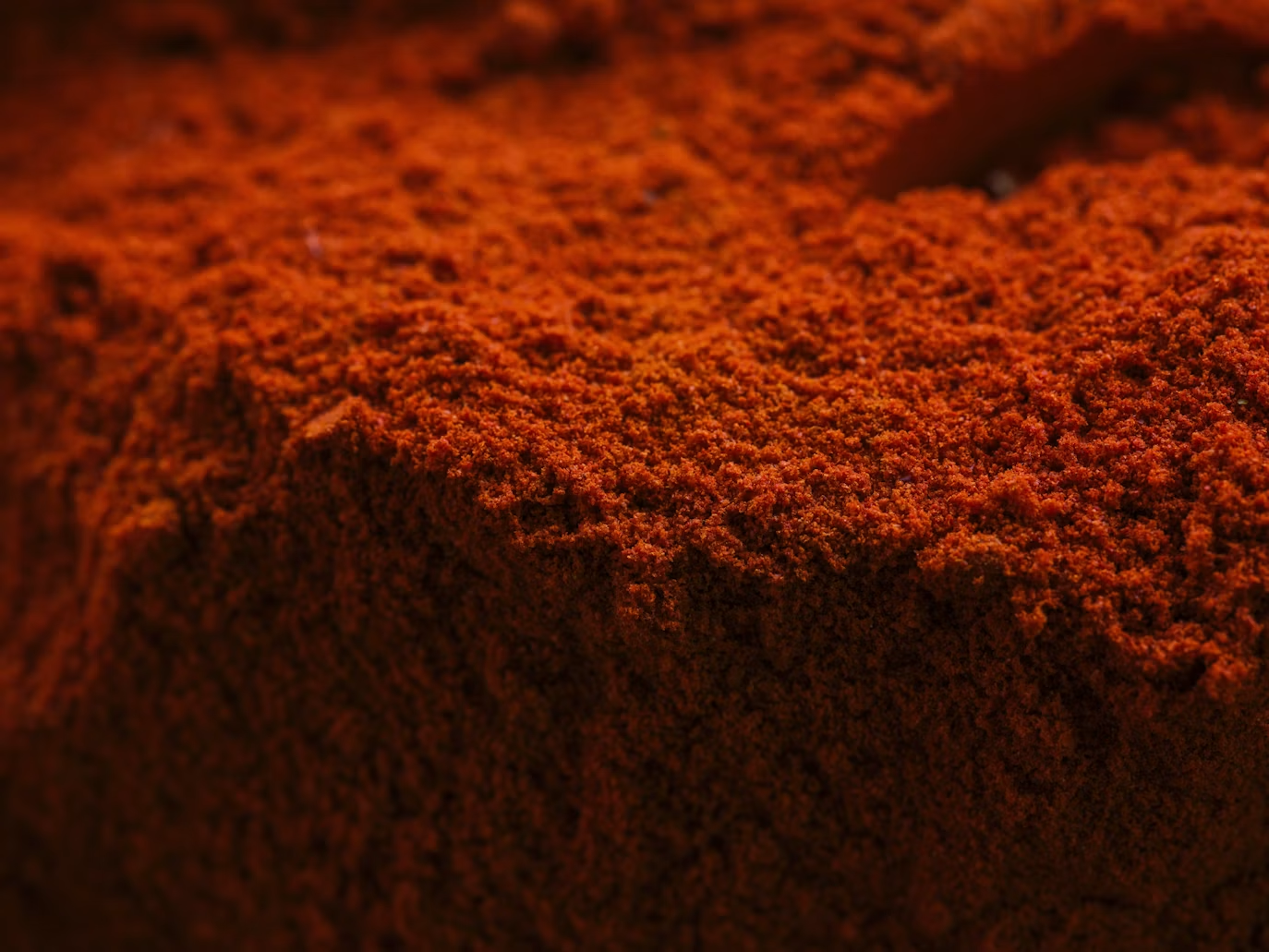
The technique begins with building flavour from onions and meat, then gently extracting the colour and aroma of paprika without scorching it. Paprika can become bitter when burnt, so many cooks take the pot briefly away from fierce heat before adding the spice.
Pörkölt: closer to the British mental picture
Pörkölt is a thicker meat stew with a concentrated onion-and-paprika sauce and less free liquid. Beef, pork, lamb or game may be used. It is often served with dumplings or noodles rather than containing potatoes as part of the dish.
Many international recipes labelled “Hungarian goulash” resemble pörkölt more closely than gulyás. That does not make them inedible or fraudulent; it simply means the exported name became broader than its Hungarian use.
Paprikás is another close relation. It commonly has a lighter, creamier sauce associated with sour cream, with chicken paprikash the best-known example in Britain. The boundaries are culinary habits rather than chemical laws, and households disagree.
Czech and Slovak guláš
Across Czech and Slovak cooking, guláš often means a thick stew served with bread dumplings, bread or another starch. Onions are central, paprika supplies colour and warmth, and the long cook turns an economical cut of meat tender.
There are many variations: beef, pork, game, sausage, potato and even meatless versions. A pub bowl, a campsite kettle and a family Sunday version may all carry the same name while tasting quite different.
The shared Austro-Hungarian history of the region helps explain the family resemblance. Recipes crossed borders and then became local. Trying to force every version back into one “authentic” template can erase the very history that made the dish interesting.
Five practical principles for a good pot
Give onions time
Onions create sweetness, body and depth. Cook them patiently rather than burning the edges while the middle remains raw.
Use fresh paprika
Paprika loses aroma and colour as it ages. Store it away from heat and light, and replace a dull, dusty jar. Hungarian sweet paprika gives warmth and fruitiness without making the dish aggressively hot; hot paprika can be added with control.
Do not scorch the spice
Add paprika over moderate heat, often after moving the pan briefly away from the flame. Stir and introduce liquid before it catches.
Choose meat for slow cooking
Shin, chuck, shoulder and similar cuts reward time. A quiet simmer allows connective tissue to soften; a violent boil makes the cooking less even and the sauce muddier.
Decide which dish you want
For a soupier Hungarian-style gulyás, allow broth and vegetables to remain part of the bowl. For a thick pörkölt-like stew, use less liquid and reduce slowly. For Czech or Slovak guláš, think about the dumpling, bread or noodles that will carry the sauce.
A note from a family-kitchen perspective
Anita’s Kitchen is shaped by Hungarian, Slovak and Czech family traditions. That makes the differences worth preserving rather than correcting. A recipe inherited under the name “goulash” is part of that family’s record even when a culinary dictionary would file it elsewhere.
When a full Perry recipe is published, it should say whose version it is, where it was learned and what has changed in a British kitchen. Until then, this article is a researched guide to the family of dishes—not a claim to reproduce Anita’s grandmother’s pot.
Further reading on The Perry
- Bábovka for a British kitchen: the Central European cake with many family versions
- How to plan a UK coastal walk: tides, transport, cliffs and the route home
- What to pack for a UK day walk: a useful list for changeable weather
Browse this section
Move naturally through the Anita’s Kitchen articles or jump back to the section overview.
Previous in Anita’s Kitchen
You are at the start of this section.
Next in Anita’s Kitchen
Bábovka for a British kitchen: the Central European cake with many family versions
Sources and further reading
- Visit Hungary: an introduction to Hungarian food, including gulyás
- Encyclopaedia Britannica: goulash
- Country Life: the names and history surrounding gulyás and pörkölt
- Wikipedia: Goulash — useful overview with its own cited bibliography
Source check: 23 August 2026. Culinary terminology varies by region and household.
Featured image credit: Photo by János Venczák on Unsplash.