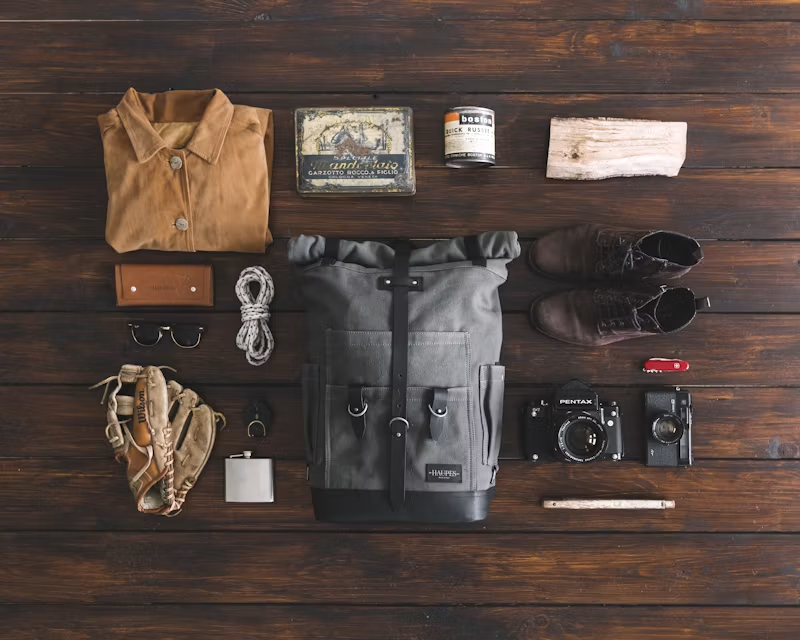
Packing for a day walk is an exercise in proportion. Carry too little and a routine change in weather becomes miserable or unsafe. Carry everything marketed to walkers and the bag becomes the problem.
The right list depends on terrain, remoteness, season, forecast, group and experience. A paved urban loop is not a mountain day. The useful principle is to prepare for the most credible delay or change, not the most cinematic disaster.
Clothing: build a small system
Wear layers that can be adjusted while moving. A breathable base, insulating layer and windproof or waterproof outer layer are more adaptable than one heavy garment. Cotton can remain wet and cold, so choose fabrics suited to the conditions.
Pack a waterproof jacket even when rain is only possible rather than certain. For exposed or upland routes, waterproof trousers can make the difference between continuing comfortably and becoming cold. A warm hat and gloves are not reserved for winter; the Met Office’s mountain safety advice recommends them even in summer, along with spare insulation.
Footwear should match the surface and fit properly. Support and aggressive tread are useful on rough, wet ground, but comfort matters more than labels. Test socks and footwear before a long day, and deal with rubbing early rather than after it becomes a blister.
Navigation: more than a blue dot
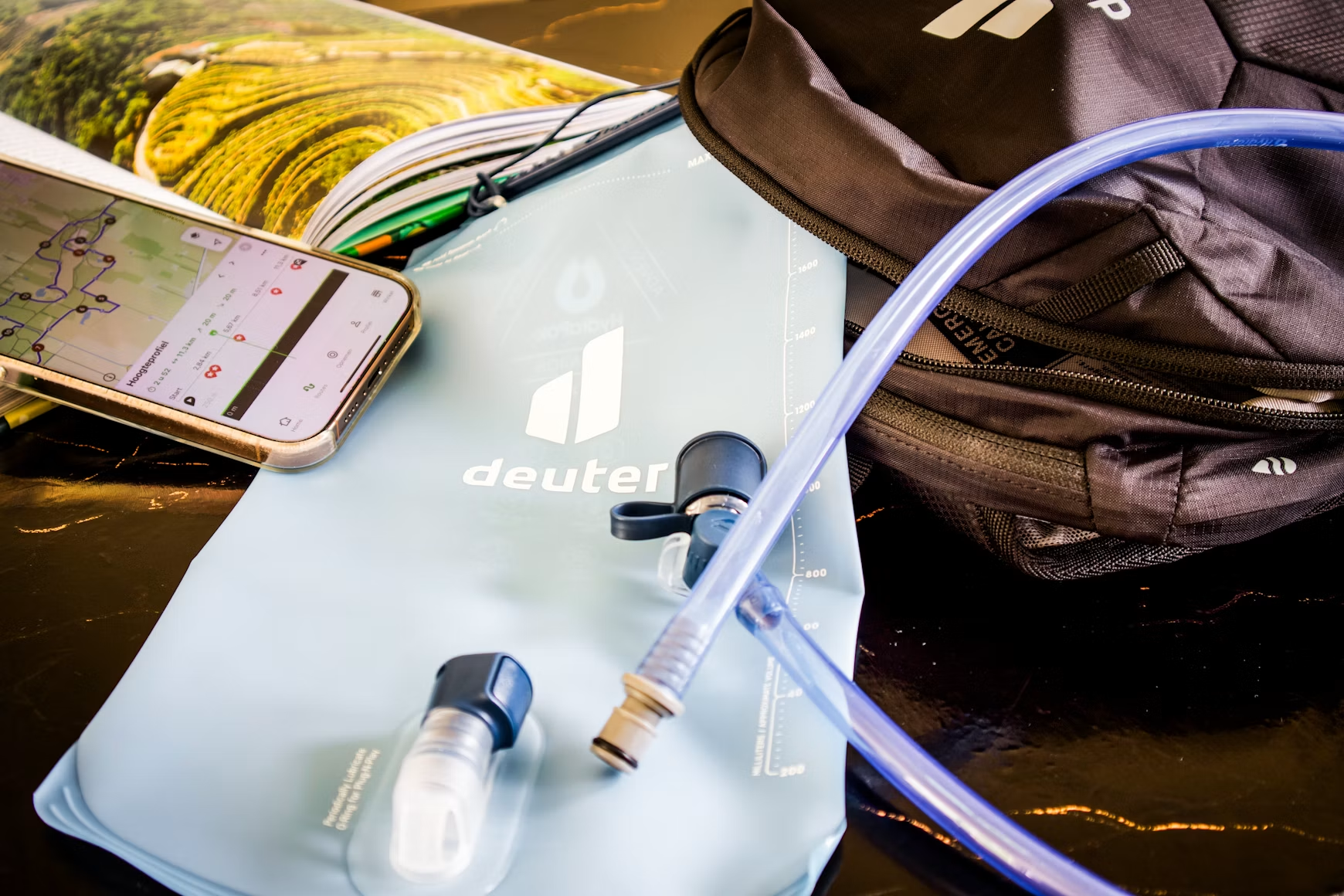
Carry an up-to-date map in a form you know how to use. A phone with an offline map is extremely useful, but battery, water and impact remain single points of failure. For remote routes, add a paper map and compass—and the ability to use them.
Save the route offline before leaving. Carry a power bank and cable. Keep electronics in a dry bag or sealed pouch. Note escape routes, not merely the planned line.
Water and food
Carry enough water for the route, weather and people involved, with a reserve. Hot conditions, exposed terrain and sustained climbing increase needs. Natural water should not be assumed safe to drink without appropriate treatment.
Bring food that is easy to eat when stopped briefly: sandwiches, fruit, nuts or another familiar option. Add a compact reserve snack that returns home unused on an ordinary day. Check allergens for everyone sharing food.
The small problem kit
A modest group kit can solve the situations most likely to spoil a day:
- blister dressings and a basic first-aid kit;
- personal medication, plus a little margin for delay;
- sunscreen and sunglasses;
- tissues, hand sanitiser and a small rubbish bag;
- a whistle;
- a head torch, even if the planned finish is before dark;
- a small repair item such as tape or a spare lace; and
- emergency contact information.
A foil blanket or lightweight emergency shelter may be appropriate on remote, exposed or cold routes. It is not a substitute for clothing and judgement.
Phone, identification and money
Start with a charged phone and do not rely on constant signal. Share the route and return time with someone who is not on the walk. Carry a bank card and some cash because rural cafés, buses and parking machines are not uniformly cooperative.
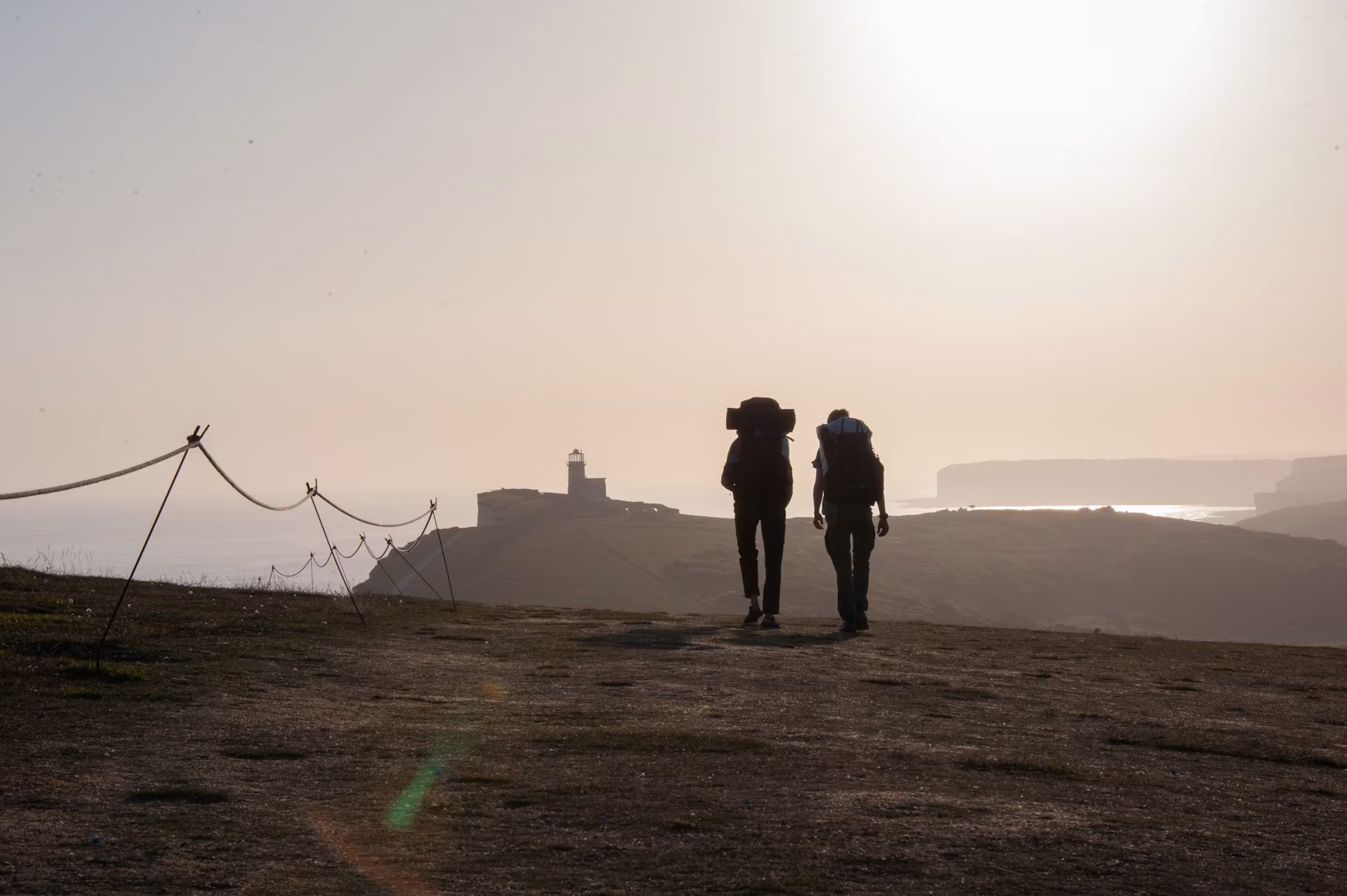
An emergency contact card is useful if a phone is locked or damaged. If a serious emergency occurs at the coast, call 999 or 112 and ask for the Coastguard; in mountains or inland remote country, ask for Police and then Mountain Rescue.
Seasonal additions
In summer, increase water, sun protection and attention to heat. In winter, daylight, cold, ice and rapid battery drain demand a larger margin. In tick country, consider repellent, long clothing and a tick check afterwards. In midge season, repellent and a head net can preserve everyone’s sense of humour.
For dogs, carry water, a bowl, waste bags, a short lead and any required medication. Check local restrictions, livestock and ground temperature. A dog’s presence also changes route choices around stiles, cliffs and cattle.
What not to outsource to equipment
No packing list makes a route suitable. Check the weather and warnings, understand the terrain, choose a walk within the group’s ability and be willing to turn back. Expensive equipment cannot correct a late start, an ignored forecast or a tide table never consulted.
Likewise, emergency equipment should not encourage riskier decisions. Its purpose is to add resilience when sensible plans meet ordinary uncertainty.
A compact list for a typical countryside day
For a non-technical UK countryside walk in reasonable conditions, a sensible starting point is:
- suitable footwear and walking socks;
- layered clothing;
- waterproof jacket;
- warm layer, hat and gloves as conditions require;
- route, offline map and navigation backup;
- charged phone, power bank and cable;
- water, lunch and reserve snack;
- basic first aid and personal medication;
- sunscreen and sunglasses;
- head torch and whistle;
- payment method, identification and emergency contact; and
- a liner or dry bags to keep essentials dry.
Adjust that list upward for altitude, remoteness, winter, technical terrain or vulnerable group members—and downward only because the route and conditions genuinely justify it.
The best-packed bag is not impressive. It is comfortable enough to carry, boring enough to be reliable and quietly useful when the weather changes its mind.
Related travel guides
- How to plan a UK coastal walk: tides, transport, cliffs and the route home
- How to find cheap flights from the UK in 2026
- UK passport and Europe travel rules for 2026
Browse this section
Move naturally through the Trips & Hobbies articles or jump back to the section overview.
Previous in Trips & Hobbies
How to plan a UK coastal walk: tides, transport, cliffs and the route home
Next in Trips & Hobbies
You are at the end of this section.
Sources and further reading
- Met Office and Mountain Rescue: packing for a day in the mountains
- Met Office: outdoor weather advice
- GOV.UK: The Countryside Code
- Wales Coast Path: safety advice
Source check: 23 August 2026. This general list is not specialist mountaineering instruction.
Featured image credit: Photo by Alice Donovan Rouse on Unsplash.