
Europe travel rules
Europe’s border process has changed. EES is already operating, ETIAS is still to come, and passport validity depends on where you are travelling. Here is the practical version for UK travellers.
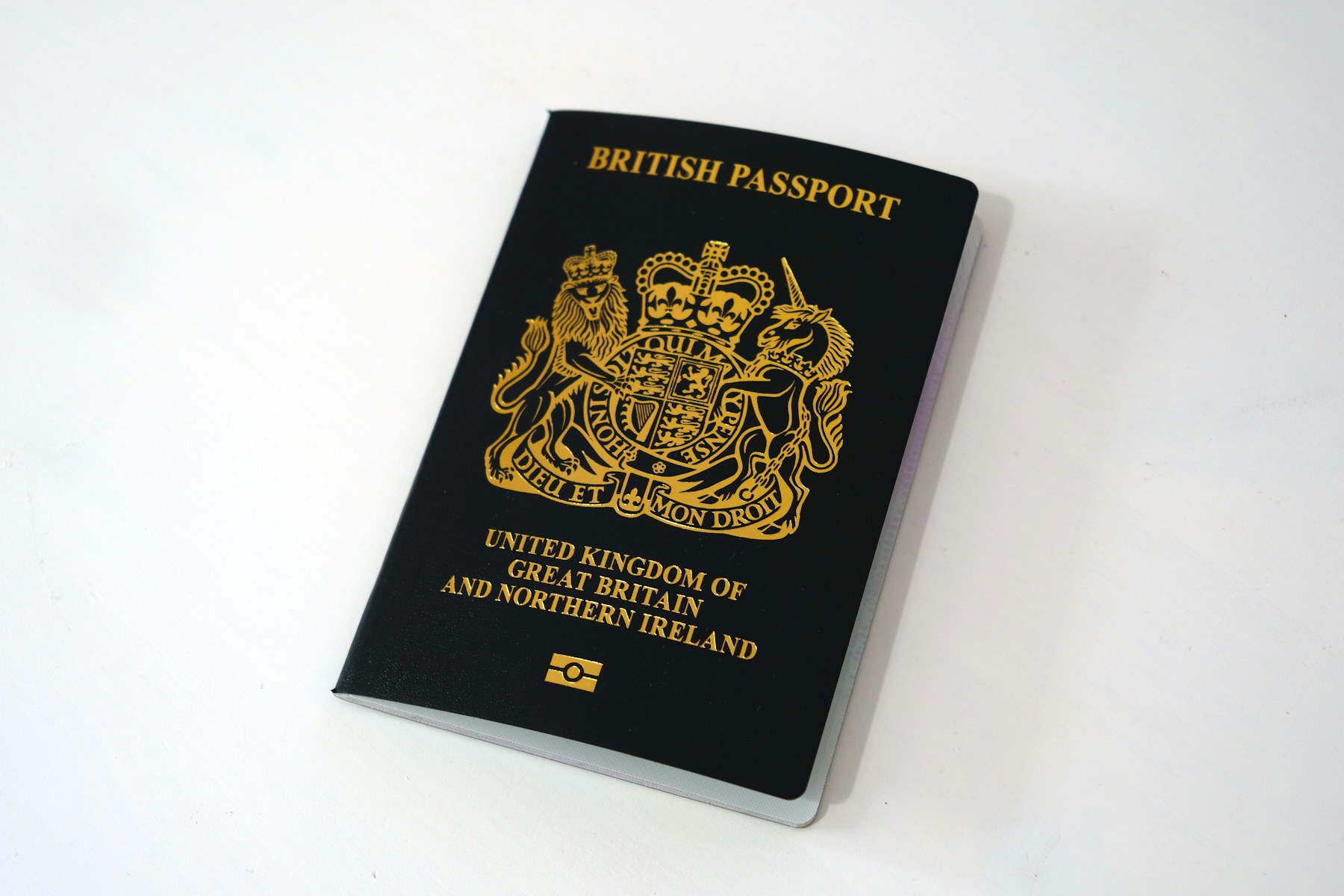
1. “My passport is in date” is not enough
Different countries can require a particular amount of validity remaining on your passport. GOV.UK therefore says you must renew before travelling if your passport has expired or does not have enough time left for the country you are visiting. The official advice is to check the entry requirements for your destination.
That makes the passport check one of the first parts of planning a European trip, not something to do the night before departure.
2. What does a UK passport renewal cost?
As at 31 August 2026, GOV.UK lists the standard adult passport fee as £102 online or £115.50 by paper form. A standard child passport is £66.50 online or £80 by paper form. You can verify the latest amounts on the official GOV.UK passport-fees page.
HM Passport Office also advises people not to book travel until they have a valid passport.
EES and ETIAS: two different systems
EES began a progressive rollout.
EES became fully operational across Schengen external border crossing points.
ETIAS is scheduled to start in the last quarter of 2026; the EU says the exact date will be announced separately.

3. EES is already operating
EES stands for the Entry/Exit System. The European Commission confirms that it became fully operational on 10 April 2026.
The system replaces routine passport stamping with digital records for non-EU nationals making short stays. It records travel-document information as well as biometric data such as a facial image and fingerprints, subject to the rules and exemptions.
For UK travellers, the EU’s UK delegation explains that you may encounter EES at a Schengen port or airport, or at French border-control points operating on UK soil — including Dover, St Pancras and the Eurotunnel terminal in Folkestone.
4. ETIAS is not EES — and it is not yet operating
ETIAS stands for the European Travel Information and Authorisation System. It is a pre-travel authorisation system for eligible visa-exempt travellers. It is separate from the border-registration process under EES.
The European Commission’s current position is that ETIAS is scheduled to start in the last quarter of 2026, with the exact start date to be officially communicated.

5. A practical pre-travel checklist
- Open every traveller’s passport and check the expiry date.
- Use GOV.UK to check the entry rules for the specific destination.
- Renew early if the passport will not meet the destination’s requirements.
- Expect EES border procedures when they apply to your journey.
- Check the official EU position on ETIAS again close to departure.
- Make sure the name on the booking matches the passport.
- Keep travel documents accessible at the border.
6. Check the official position before every trip
This is the most time-sensitive article in the series. EES is already live, while the ETIAS timetable can change. Check the linked official guidance again shortly before travelling, particularly if your journey is later in 2026.
The authoritative sources are linked inside the article so you can confirm the latest position quickly rather than relying on travel forums or old social-media posts.
How to find cheap flights from the UKPackage holiday or DIY: which is better value?
Sources & further reading
- GOV.UK — Renew or replace your adult passport
- GOV.UK — Passport validity and renewal
- GOV.UK — Passport fees
- European Commission — EES fully operational
- European Commission — EES vs ETIAS
- EU Delegation to the UK — EES information for UK travellers
Information was checked on 31 August 2026. This article must be rechecked immediately before publication because the ETIAS launch timetable is time-sensitive.